How to Release What’s Holding You Back in Midlife
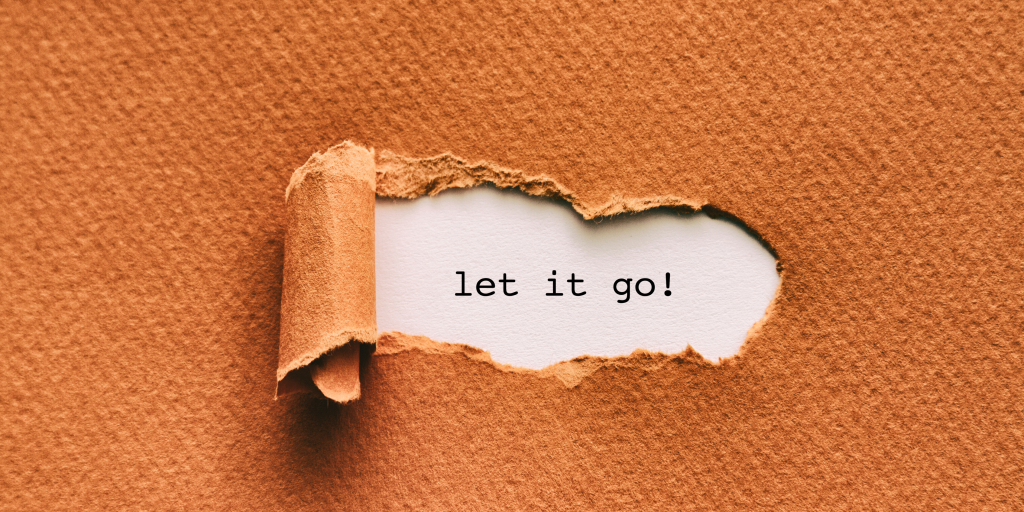
By your 40s, 50s, or 60s, you’ve built a life—career, relationships, routines, responsibilities. Some of it is solid. Some of it weighs you down. And some of it… doesn’t fit anymore.
But here’s the catch: we often keep carrying it anyway.
Out of habit. Guilt. Fear. Or because we’ve never paused to ask:
“Does this still serve me?”
Letting go doesn’t mean giving up. It means making room. For growth. For peace. For a life that feels aligned—not just familiar.
This is your permission slip to release what’s not working anymore—and to do it without shame or apology.
Why Letting Go Feels Hard—Even When We Know We Should
Letting go can feel like failure. Like wasted time. Like betrayal. But in truth, it’s a natural part of growing. We’re meant to shed layers. To evolve.
What keeps us stuck?
• Identity: “If I let go of this, who am I?”
• Guilt: “I should be grateful. Others have it worse.”
• Fear: “What if I end up with nothing?”
• Comfort zone: “This might not be great, but at least it’s familiar.”
But ask yourself this:
What is the cost of holding on?
Your peace? Your energy? Your self-respect?
You get to choose again.
What “Letting Go” Can Look Like
It’s not always dramatic. Sometimes it’s subtle, internal, quiet.
You might need to let go of:
• A draining friendship or one-sided relationship
• A job title that no longer excites you
• Old goals that don’t reflect who you are now
• Perfectionism and overachieving habits
• A belief that your worth is tied to productivity
• Guilt about taking care of your own needs
Letting go can also mean forgiving yourself.
For mistakes, for past versions of you, for what you didn’t know then.
Step 1: Name What You’re Holding That’s Too Heavynow We Should
Start with clarity. Ask yourself:
• What feels heavy when I think about it?
• What drains me consistently?
• What do I keep justifying, even though it makes me miserable?
Make a list. Seeing it written down makes it real.
Don’t rush into action yet—just acknowledge what’s no longer serving the person you’re becoming.
Step 2: Ask This Key Question
For each item on your list, ask:
“If I were starting fresh today, would I choose this again?”
Would you choose that job? That dynamic? That schedule? That belief?
This bypasses guilt and nostalgia. It brings you into the present.
If the answer is no, you don’t have to discard it overnight—but you now have permission to start transitioning away.
Step 3: Identify the Payoff (and Challenge It)
Every pattern, even harmful ones, has a payoff. That’s what keeps us stuck.
Examples:
• Staying overcommitted lets you avoid feeling unimportant.
• Being a perfectionist lets you avoid vulnerability.
• Holding on to toxic people lets you avoid loneliness.
Acknowledge the hidden payoff—and then decide if it’s worth the cost.
Ask: “What am I afraid I’ll feel if I let this go?”
And: “What could I feel instead?” (Peace, freedom, relief, self-trust.)
Step 4: Release the Guilt
Guilt shows up when you start letting go. Especially in midlife, when you’ve invested so much time in certain paths.
You might feel bad for:
• Changing careers “too late”
• Ending relationships that are “stable enough”
• Saying no when you’ve always said yes
• Outgrowing dreams you once fought for
Here’s the truth:
Growth doesn’t always look grateful. It looks honest.
Letting go of what drains you is not a betrayal of your past. It’s a commitment to your future.
“You don’t have to set yourself on fire to keep others warm.” — Unknown
Step 5: Grieve (Yes, Even the Good Things)
Sometimes you have to grieve what you’re letting go, even if it was never good for you. Why? Because it still meant something.
You’re not just letting go of the thing itself. You’re letting go of:
• Who you were when you chose it
• The version of life you hoped it would become
• The routine or identity it gave you
Grief is part of release. Don’t skip it.
Cry. Journal. Say goodbye. Honor what it gave you and what it didn’t.
Then move forward, lighter.
Step 6: Replace It With Something That Serves You
Letting go creates space. Now fill that space with something intentional.
Ask:
• What do I want to feel more of?
• What kind of people do I want around me?
• What’s one small action that supports the person I’m becoming?
You don’t need a full plan. Just a direction.
Start by adding things that make you feel calm, clear, energized. That’s your compass.
Step 7: Create a Let-Go Ritual
Mark the transition with something symbolic. It helps your brain process change as something complete—not open-ended.
Ideas:
• Write a letter to what you’re releasing. Burn or tear it.
• Clear out a space in your home (closet, drawer) as a physical metaphor.
• Create a playlist called “Letting Go & Moving Forward.”
• Choose a mantra to repeat daily:
“I release what no longer serves me. I am free to evolve.”
This isn’t fluff. It’s neurobiology. Ritual signals closure. And your brain loves closure.
What Happens When You Let Go?
You don’t just feel lighter. You feel:
• Clearer
• Braver
• More rooted in your values
• More available for joy
• Less reactive to external chaos
You start making decisions from your future, not your past.
“You can’t reach for anything new if your hands are full of yesterday.” — Louise Smith
Letting Go Doesn’t Mean You’re Broken
It means you’re paying attention.
It means you’ve outgrown the cage and are ready for the open air. That’s not a crisis. That’s growth.
And yes, it’s scary. But staying stuck is scarier.
Midlife isn’t a time to shrink. It’s a time to shed.
Shed the guilt. The clutter. The roles you didn’t choose.
Shed the shame. The fear. The habits that drain you.
Shed the silence.
Then watch what grows in that space.
Final Word: You Don’t Need Permission. But You Have It Anyway.
This is your life. Not your parents’. Not your partner’s. Not the version of you from 20 years ago. Yours.
You don’t need to explain why something no longer fits.
You don’t need to justify releasing what doesn’t align.
You just need to be honest—and brave enough to act.
Letting go isn’t weak. It’s one of the strongest things you’ll ever do.
And you’re more than ready.