
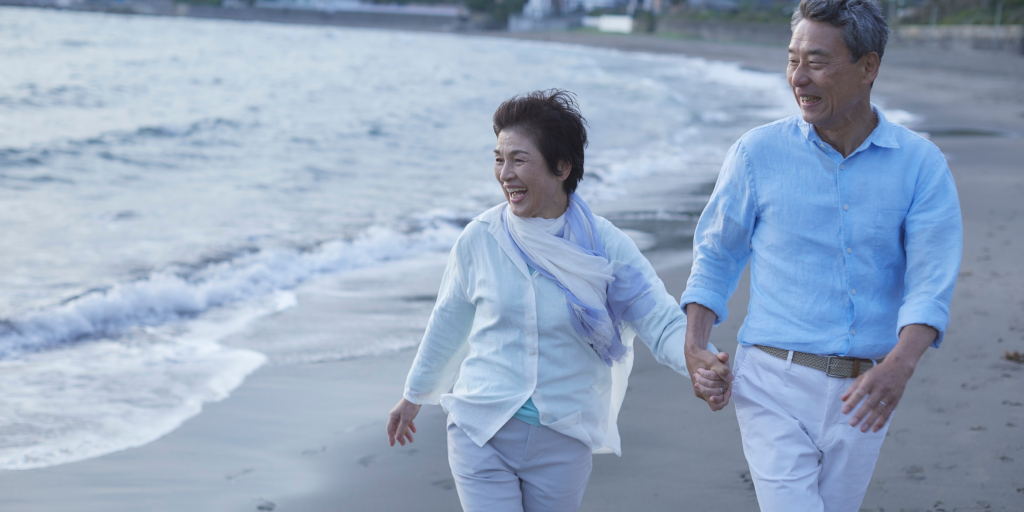
As life expectancy continues to rise across Asia, more adults are navigating their later years without children — by choice, by circumstance, or as a result of life’s unpredictability. For child-free midlifers, especially those in their 40s and 50s, planning ahead takes on a unique urgency.
Without adult children to fall back on for emotional, physical, or financial support, the responsibility of ageing well rests more squarely on the individual. But that doesn’t mean it has to be bleak — far from it. With foresight, intention, and the right systems, child-free adults can craft secure, empowered, and connected later lives.
This article offers a roadmap for how to future-proof your life when you’re ageing without children in the Asian context.
Why This Planning Matters More for the Child-Free
In many Asian cultures, there’s an unspoken assumption: that children will be the default support system in old age. They’ll manage healthcare, assist financially, and ensure no one grows old alone.
But if you don’t have children — or don’t wish to rely on them — you must ask:
- Who will help you if you fall ill or become incapacitated?
- Who will advocate for your medical or legal wishes?
- Who will support you emotionally or practically in your 70s and beyond?
While these questions apply to all adults, they are especially critical for those without direct descendants.
1. Building a Robust Support Network (Beyond Family)
Loneliness is a common fear for the child-free — but isolation is not inevitable. The key lies in intentional connection.
Practical ways to build a chosen support system:
- Deepen existing friendships: Nurture consistent, reciprocal relationships. Make time.
- Cultivate intergenerational ties: Mentoring, volunteering, or being an active godparent/aunt/uncle.
- Join communities: Social clubs, spiritual circles, volunteer groups, or online forums.
- Live in community-minded housing: Consider co-living, retirement villages, or shared ownership homes with likeminded peers.
- Create mutual care pacts: Some midlifers formalise agreements with close friends for caregiving or estate planning responsibilities.
Your support network may not be biological — but it can be just as committed.
2. Health Planning: Think Long-Term Now
Without adult children to step in, healthcare decisions and caregiving arrangements must be more proactively structured.
Key strategies:
- Stay on top of preventive care: Regular screenings, physical activity, and mental health check-ups.
- Choose your primary doctor early: Build rapport with a GP who understands your values and preferences.
- Plan for long-term care: Understand what ageing in place looks like in your country. In Singapore, for example:
- CareShield Life provides payouts in the event of severe disability.
- ElderFund and MediSave Care support lower-income seniors with care costs.
- Explore home care options: Private nurses, foreign domestic workers, or community-based eldercare services.
- Prepare for mobility or cognitive decline: Home modifications, fall-proofing, medical alert systems.
Being independent does not mean being unprepared. Start early — especially while you still have the energy and cognitive clarity to make informed decisions.
3. Legal Preparedness and Advocacy
One of the greatest risks of ageing alone is that your wishes may not be known or respected — unless they’re documented.
Essential legal tools:
- Lasting Power of Attorney (LPA): Appoints someone you trust to make decisions on your behalf if you lose mental capacity.
- Advance Care Planning (ACP): Documents your preferences for medical care in serious or end-of-life situations.
- Will and estate planning: Ensures your assets are distributed according to your wishes, not intestacy laws.
- Central Provident Fund (CPF) nomination (Singapore): Allows you to specify who receives your CPF savings.
- Trusted point person: Whether a friend, sibling, or professional — someone who knows your preferences and can act as a health advocate.
Without children, it’s especially important to appoint these roles clearly — and to update them every few years.
4. Financial Security: Stability Over Legacy
Child-free individuals may not have to fund university tuition or pay for dependants — but this does not mean finances are automatically simpler.
In fact, some expenses may be higher due to:
- Outsourced eldercare
- Private medical support
- Solo travel or single-person housing
- Professional estate services (lawyers, trustees, etc.)
Key actions for financial wellbeing:
- Track spending and create a long-term retirement budget
- Maximise CPF savings and consider voluntary top-ups for higher monthly payouts via CPF LIFE
- Supplement with private retirement or annuity plans if needed
- Maintain health and critical illness insurance well into your 60s or 70s
- Ensure liquidity: Have accessible funds for unexpected healthcare or home-related expenses
- Invest conservatively but meaningfully — work with a financial advisor familiar with solo retirees
Your goal is not to leave wealth behind — it’s to sustain yourself comfortably, independently, and with dignity.
5. Creating Meaning Without Descendants
Legacy does not require lineage.
Many child-free midlifers find meaning through:
- Philanthropy or giving back: Contributing to causes they believe in
- Mentorship: Sharing wisdom, skills, or life experience with younger generations
- Creative pursuits: Writing, art, education, entrepreneurship
- Environmental activism or social justice work
- Spiritual or religious service
Legacy can be financial — or it can be emotional, intellectual, or cultural. The impact you make on others’ lives is often remembered long after your physical presence is gone.
6. Navigating Social Stigma and Misconceptions
Even in midlife, some child-free individuals face intrusive questions or assumptions:
- “Who will look after you when you’re old?”
- “Don’t you regret not having kids?”
- “Won’t you be lonely?”
These comments reflect social programming — not your reality.
It helps to develop self-assured language:
- “I’ve made intentional plans for the future.”
- “I have a strong community and chosen family.”
- “There are many ways to age well — I’m creating my own path.”
As the number of child-free older adults grows, social norms will evolve — but until then, confidence and clarity go a long way.
7. Retirement With Intention and Joy
Just because you don’t have adult children doesn’t mean your later years must be solitary or sedentary.
Design a retirement you’ll love:
- Location: Do you want to live in a city, countryside, or abroad?
- Pace: Will you continue part-time work, volunteer, or travel?
- Passions: What hobbies or goals have you postponed?
- Connection: Who will you spend time with regularly?
- Growth: What new skills, languages, or ideas excite you?
The gift of a child-free life is agency — the ability to shape your days without family-imposed obligations. Use it.
8. Contingency Planning for Crisis or Decline
Life can be unpredictable. Preparing for health crises or sudden changes gives peace of mind.
Contingency considerations:
- A crisis communication plan: Who to call? Where are key documents stored?
- A care circle: Can friends or neighbours check in on you regularly?
- A fall-back plan: What if your main support person becomes unavailable?
- Emergency contacts stored in your phone and home
- Membership in an eldercare support platform or community service
Many organisations in Singapore, Hong Kong, and Malaysia now offer services tailored to solo agers — take advantage of them.
Conclusion: Ageing Solo, But Not Alone
To live child-free is not to live care-free — it comes with responsibility, planning, and intentionality.
But far from being bleak, the journey can be rich in autonomy, purpose, and meaningful connection. With careful preparation in your 40s and 50s, your later years can be not just secure — but vibrant, dignified, and joyful.
As the child-free population grows in Asia, it’s time to shift the narrative: ageing without children is not a failure of tradition — it’s an invitation to forge a new tradition, one based on self-knowledge, chosen connection, and fearless foresight.