
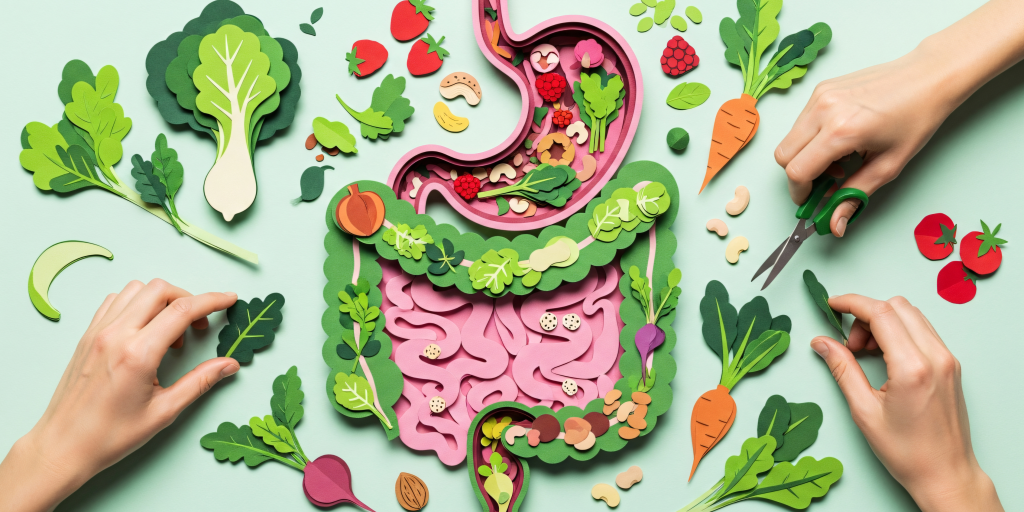
Maintaining a healthy gut is essential for overall wellbeing, particularly after 40. Digestive health impacts nutrient absorption, immune function, metabolism, and even mental health. Age-related changes in gut microbiota, slower digestion, and lifestyle factors can increase the risk of gastrointestinal discomfort, constipation, and chronic disease.
This article provides evidence-based guidance for midlife adults on supporting gut health. It is intended for educational purposes and does not replace personalised advice from a healthcare professional.
Why Gut Health Matters in Midlife
- Microbiome Balance: The diversity of gut bacteria decreases with age, which can impact digestion, immunity, and inflammation.
- Digestive Function: Slower gut motility can lead to constipation, bloating, and discomfort.
- Immune Health: Approximately 70% of the immune system resides in the gut; a healthy gut supports resistance to infections.
- Mental Wellbeing: The gut-brain axis links gut health to mood, cognitive function, and stress response.
Evidence-Based Strategies to Support Gut Health
1. Eat a High-Fibre Diet
- Fibre promotes regular bowel movements and feeds beneficial gut bacteria.
- Sources: whole grains, fruits, vegetables, legumes, nuts, and seeds.
- Recommended daily intake: 25-30 g.
2. Include Probiotics and Fermented Foods
- Probiotics are live bacteria that support gut microbiota balance.
- Sources: yoghurt with live cultures, kefir, sauerkraut, kimchi, miso, kombucha.
- Evidence suggests regular probiotic intake can improve digestion and reduce bloating.
3. Prebiotics for Beneficial Bacteria
- Prebiotics are fibres that feed healthy gut bacteria.
- Sources: onions, garlic, leeks, asparagus, bananas, oats.
- Combining prebiotics and probiotics enhances gut microbiome diversity.
4. Stay Hydrated
- Adequate water intake supports digestion and prevents constipation.
- Aim for 1.5-2 litres daily, adjusting for activity and climate.
5. Limit Processed Foods and Added Sugars
- Ultra-processed foods can disrupt gut microbiota balance and increase inflammation.
- Focus on whole, minimally processed foods.
6. Moderate Alcohol and Caffeine
- Excessive alcohol and caffeine can irritate the gut lining and impact microbiome diversity.
7. Regular Physical Activity
- Exercise supports gut motility and positively influences the gut microbiome.
- Aim for at least 150 minutes of moderate activity per week.
8. Manage Stress
- Chronic stress affects the gut-brain axis, contributing to dysbiosis and digestive issues.
- Mindfulness, meditation, deep breathing, and yoga are effective stress management strategies.
Practical Tips for Midlife Gut Health
- Include a variety of fibre-rich foods at each meal.
- Add fermented foods to your diet several times per week.
- Drink water consistently throughout the day.
- Move daily, even with light walking or stretching.
- Reduce intake of highly processed snacks and sugary drinks.
- Track how different foods affect your digestion to identify triggers.
- Consider a probiotic supplement after consulting a healthcare professional if dietary intake is insufficient.
Common Myths About Gut Health
- “Only probiotics matter.” Both prebiotics and probiotics are essential for a healthy microbiome.
- “Gut issues are just a part of ageing.” Many digestive problems can be improved through lifestyle and diet.
- “High-fibre diets cause discomfort.” Gradually increasing fibre intake and staying hydrated reduces bloating.
References
- O’Toole PW, Jeffery IB. Gut microbiota and ageing. Science. 2015;350:1214-1215.
- Clapp M, et al. Gut microbiota’s effect on mental health: The gut-brain axis. Clin Pract. 2017;7:987.
- Anderson JW, et al. Health benefits of dietary fiber. Nutr Rev. 2009;67(4):188-205.
- Hempel S, et al. Probiotics for the prevention and treatment of antibiotic-associated diarrhea: a systematic review and meta-analysis. JAMA. 2012;307(18):1959-1969.
- Clarke SF, et al. Exercise and associated dietary extremes impact on gut microbial diversity. Gut. 2014;63:1913-1920.
#GutHealthAfter40 #MidlifeWellness #DigestiveHealth #HealthyAging #NutritionAfter40 #Microbiome #WellnessAfter40 #FunctionalHealth #EvidenceBasedHealth #MidlifeVitality