
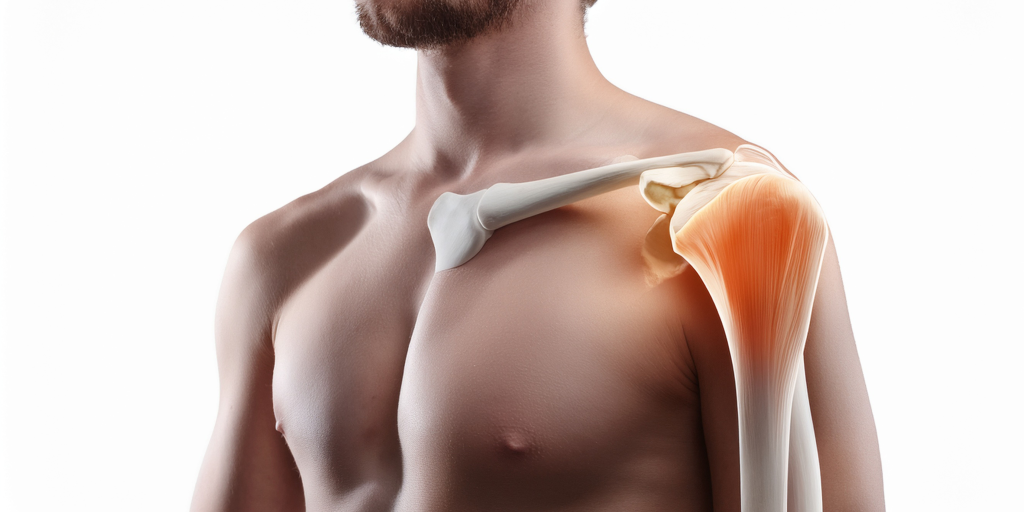
Maintaining healthy joints is essential for midlife adults to support mobility, independence, and overall wellbeing. Age-related changes in cartilage, joint fluid, and connective tissue can increase stiffness, discomfort, and risk of osteoarthritis. Lifestyle, physical activity, and nutrition play a vital role in preserving joint health.
This article provides evidence-based guidance for adults over 40. It is intended for educational purposes and does not replace advice from a healthcare professional.
Why Joint Health Matters in Midlife
- Natural Ageing: Cartilage thins and joint fluid decreases, affecting cushioning and movement.
- Mobility and Independence: Strong, flexible joints support daily activities and reduce fall risk.
- Pain Prevention: Maintaining joint health can delay the onset of osteoarthritis and chronic discomfort.
- Exercise Capacity: Healthy joints allow for continued participation in fitness and aerobic activity.
Evidence-Based Strategies for Joint Health
1. Regular Low-Impact Exercise
- Activities such as swimming, cycling, brisk walking, yoga, and Pilates strengthen muscles and support joint function.
- Weight-bearing exercise maintains bone density and joint stability.
2. Strength Training
- Strengthening the muscles around joints reduces stress and improves support.
- Focus on legs, hips, core, shoulders, and arms using resistance bands, weights, or bodyweight exercises.
3. Flexibility and Mobility Work
- Daily stretching and mobility exercises maintain range of motion.
- Incorporate dynamic stretches before activity and static stretches after.
4. Nutrition for Joint Support
- Omega-3 Fatty Acids: Reduce inflammation; found in fatty fish, walnuts, flaxseeds.
- Calcium and Vitamin D: Support bone health; found in dairy, fortified plant milks, leafy greens, sunlight.
- Antioxidants: Vitamins C and E support collagen and reduce oxidative stress; found in berries, citrus fruits, nuts.
- Collagen: May support cartilage health; sources include bone broth and hydrolysed collagen supplements.
5. Maintain a Healthy Weight
- Excess body weight increases joint load, particularly in knees and hips, raising osteoarthritis risk.
- Even modest weight loss reduces joint stress and improves mobility.
6. Joint Care Habits
- Avoid prolonged repetitive movements and high-impact activities that strain joints.
- Use ergonomic equipment and supportive footwear.
- Listen to your body; rest when joints feel sore or inflamed.
Practical Tips for Midlife Joint Health
- Incorporate low-impact exercise 3-5 times per week.
- Perform strength training for major muscle groups at least twice weekly.
- Include daily stretching and mobility exercises.
- Eat a nutrient-rich diet with omega-3s, antioxidants, calcium, and vitamin D.
- Maintain healthy body weight.
- Monitor joint comfort and consult a professional if persistent pain occurs.
- Use supportive footwear during physical activity.
Common Myths About Joint Health
- “Joint pain is inevitable with age.” While some changes occur, proper exercise and nutrition can prevent or delay discomfort.
- “Exercise will worsen arthritis.” Appropriate low-impact activity strengthens muscles and protects joints.
- “Supplements alone can fix joint issues.” Nutrition, exercise, and lifestyle together support optimal joint health.
References
- Hunter DJ, Bierma-Zeinstra S. Osteoarthritis. Lancet. 2019;393:1745–1759.
- Fransen M, et al. Exercise for osteoarthritis of the knee. Cochrane Database Syst Rev. 2015;1:CD004376.
- Kingsbury SR, et al. Omega-3 fatty acids and joint health. Nutrients. 2018;10:123.
- National Health Service (NHS). Joint Health and Exercise Guidance. 2022.
#JointHealthAfter40 #MidlifeWellness #MobilityAndFlexibility #ActiveLifestyle #HealthyAging #OsteoarthritisPrevention #WellnessAfter40 #EvidenceBasedHealth #FunctionalFitness #MidlifeVitality