
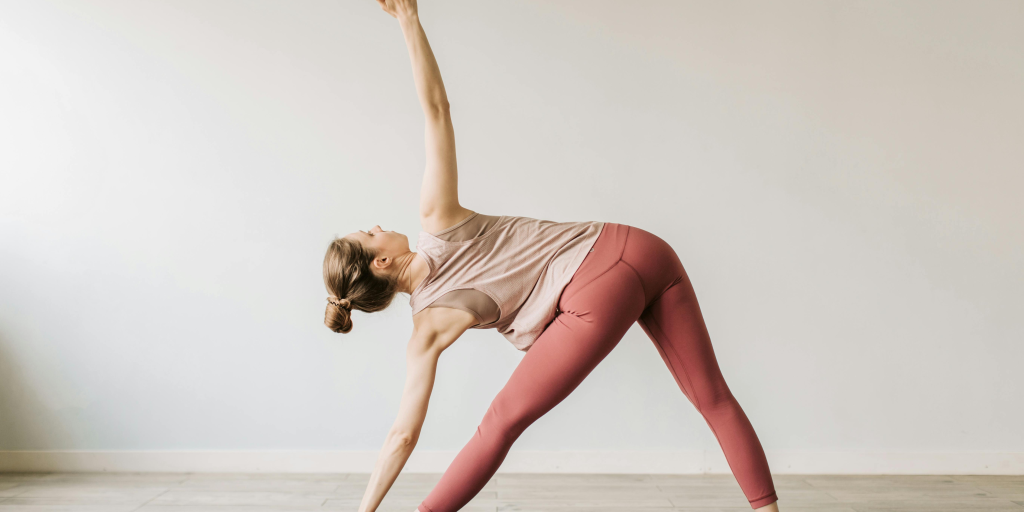
In midlife, maintaining strength, flexibility, and balance is key for overall health, mobility, and wellbeing. Yoga and Pilates are evidence-based mind-body practices that enhance physical function, reduce stress, and support mental clarity. Incorporating these practices into a weekly routine can significantly benefit adults over 40.
This article provides guidance on practising yoga and Pilates safely and effectively. It is for educational purposes and does not replace personalised advice from a healthcare professional.
Benefits of Yoga and Pilates in Midlife
- Improved Flexibility: Stretching and controlled movements reduce stiffness and enhance range of motion.
- Strength and Core Stability: Pilates emphasises core muscles, improving posture and reducing back pain.
- Balance and Fall Prevention: Both practices enhance proprioception and stability, lowering fall risk.
- Stress Reduction: Mindful breathing and relaxation techniques decrease cortisol and support mental wellbeing.
- Joint Health: Low-impact movements protect joints while maintaining mobility.
Evidence-Based Practice Guidelines
1. Frequency and Duration
- Aim for 2-4 sessions per week, 30-60 minutes each.
- Consistency is more important than intensity for long-term benefits.
2. Choosing the Right Style
- Yoga: Hatha and Vinyasa are beginner-friendly, Iyengar uses props for alignment, and Restorative yoga focuses on relaxation.
- Pilates: Mat-based or equipment-based sessions improve core strength and flexibility. Choose beginner classes if new to the practice.
3. Safety Considerations
- Warm up with gentle movements and stretching.
- Avoid overextending or forcing positions; listen to your body.
- Consult a healthcare professional if you have chronic conditions or injuries.
- Consider professional instruction initially to learn correct technique.
4. Modifications and Props
- Use yoga blocks, straps, or bolsters to support alignment and reduce strain.
- Modify exercises for joint issues or limited mobility.
5. Integrating Mindfulness
- Focus on breathing, posture, and movement to enhance mind-body connection.
- Practising mindfulness during yoga or Pilates reduces stress and improves mental clarity.
Practical Tips for Midlife Adults
- Start with short sessions and gradually increase duration.
- Combine yoga or Pilates with aerobic activity and strength training for balanced fitness.
- Schedule practice at a consistent time to build routine.
- Hydrate and eat lightly before sessions to enhance comfort.
- Track progress in flexibility, strength, and balance to stay motivated.
- Join group classes or online sessions for guidance and community support.
Common Myths
- “Yoga and Pilates are only for flexible people.” These practices can be adapted for all levels.
- “They are not effective for strength.” Pilates and many yoga poses build significant core and full-body strength.
- “Only young adults benefit.” Midlife and older adults can experience improved mobility, balance, and mental wellbeing.
References
- Cramer H, et al. Effects of yoga on physical functioning and health-related quality of life in older adults: a systematic review and meta-analysis. J Gerontol A Biol Sci Med Sci. 2016;71:703–709.
- Li AW, Goldsmith CAW. The effects of yoga on anxiety and stress. Altern Med Rev. 2012;17(1):21–35.
- American College of Sports Medicine. ACSM Guidelines for Exercise Testing and Prescription. 11th Edition, 2021.
- National Health Service (NHS). Yoga and Pilates for Fitness and Wellbeing. 2022.
#YogaAfter40 #PilatesAfter40 #MidlifeWellness #StrengthFlexibilityBalance #ActiveLifestyle #HealthyAging #WellnessAfter40 #EvidenceBasedHealth #MindBodyFitness #MidlifeVitality