Why Balance Deserves Attention in Midlife
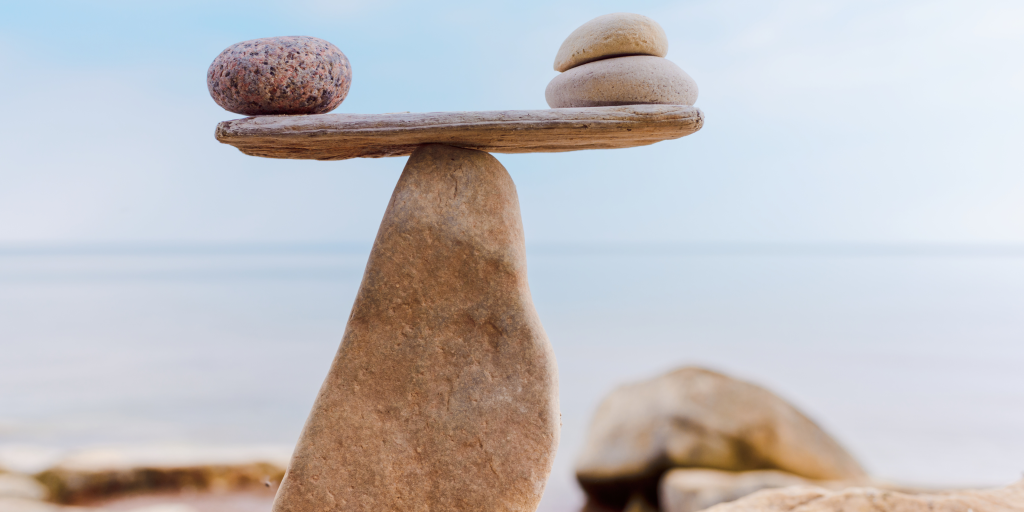
Balance is something many of us take for granted until it begins to falter. From our forties onwards, gradual changes in muscle strength, joint flexibility, vision, and the inner ear can quietly affect stability.
Poor balance is not just about the risk of falls. It can also limit confidence, independence, and participation in daily activities.
The encouraging news is that balance is highly trainable at any age. With simple, consistent practices, midlife adults can preserve stability, improve coordination, and move with greater assurance well into later life.
What Happens to Balance After 40
Balance relies on three key systems working together: the musculoskeletal system, the visual system, and the vestibular system in the inner ear.
Age-related muscle loss, slower reflexes, reduced joint mobility, and changes in vision can all disrupt this coordination.
Research shows that declines in balance often begin earlier than expected, sometimes in the early forties, particularly in individuals who are sedentary.
The result may be subtle at first, such as feeling less steady on uneven ground or during sudden movements.
Why Balance Training Matters
Strong balance supports far more than fall prevention. It enhances posture, joint protection, and movement efficiency. Good balance also underpins other forms of exercise, including strength training, walking, and yoga.
Evidence indicates that balance-focused exercise can significantly reduce fall risk, improve gait, and support functional independence in midlife and older adults. Importantly, balance training also builds confidence, which reduces fear-related inactivity.
Simple Ways to Improve Balance
Balance training does not require specialised equipment or long sessions. Small, regular practices can be highly effective.
Single-leg stands, performed while brushing teeth or waiting for the kettle to boil, challenge postural control. Heel-to-toe walking improves coordination and awareness of foot placement. Standing on an unstable surface, such as a folded towel, can gently increase difficulty.
Adding balance challenges to strength exercises, such as lunges or step-ups, further enhances results. For safety, these exercises should be performed near a stable surface, especially when starting.
The Role of Mind-Body Practices
Activities such as tai chi, yoga, and Pilates are particularly effective for balance training. They combine controlled movement, body awareness, and strength, making them ideal for midlife wellness.
Multiple studies have shown that tai chi improves balance and reduces fall risk by enhancing proprioception and neuromuscular coordination. Yoga and Pilates also support balance through core stability and controlled transitions between positions.
When to Seek Professional Advice
Persistent dizziness, frequent falls, or sudden balance changes should always be discussed with a healthcare professional. These symptoms may be related to inner ear conditions, medication side effects, or neurological issues.
A physiotherapist or exercise professional can also help design a personalised balance programme that suits individual needs and limitations.
A Steady Step Forward
Balance is a skill that responds well to attention and practice. By incorporating balance training into daily routines, midlife adults can protect mobility, confidence, and independence for years to come.
As with any lifestyle change, balance exercises should complement, not replace, professional medical advice. When in doubt, consult a qualified healthcare provider before starting a new exercise routine.
References
- Sherrington C et al. Exercise for preventing falls in older people living in the community. Cochrane Database of Systematic Reviews. 2019.
- Horak FB. Postural orientation and equilibrium: what do we need to know about neural control of balance to prevent falls? Age and Ageing. 2006.
- Wayne PM et al. Effect of tai chi on cognitive performance in older adults. Journal of the American Geriatrics Society. 2014.
#MidlifeWellness #BalanceTraining #HealthyAgeing #FallPrevention #MovementHealth #ActiveAfter40