
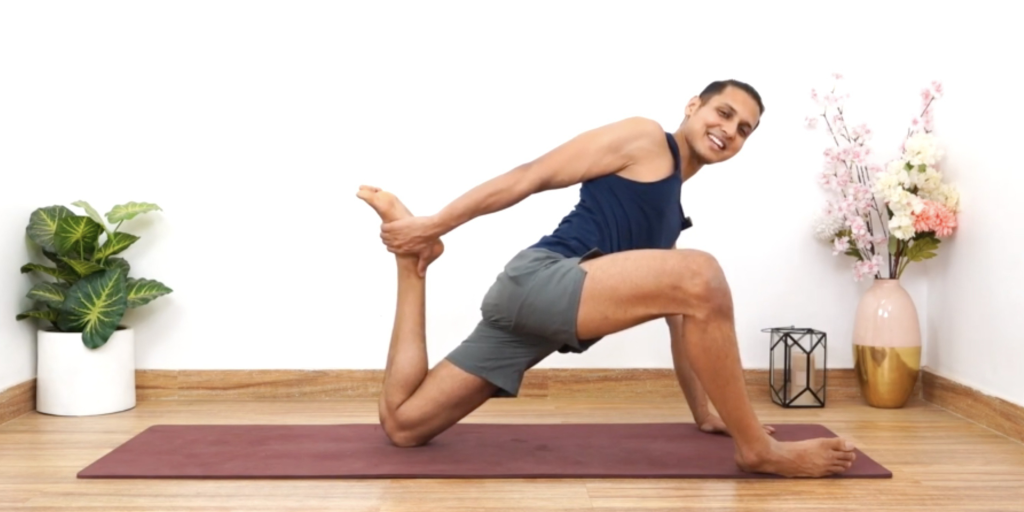
Staying active is one of the most effective ways to protect your heart, manage weight, reduce stress, and prevent chronic diseases. For men over 40 in Singapore, consistent movement and strength training are crucial, especially as metabolism slows and muscle mass naturally declines. The key is to make exercise practical, enjoyable, and sustainable.
Why Exercise Matters After 40
As men age, the risk of hypertension, high cholesterol, diabetes, and obesity increases. Regular physical activity can:
- Improve cardiovascular health
- Reduce blood pressure and cholesterol
- Increase insulin sensitivity and manage blood sugar
- Maintain muscle mass and bone strength
- Improve mental health, sleep quality, and stress resilience
The World Health Organization recommends at least 150 minutes of moderate-intensity aerobic exercise per week, plus strength training on two or more days.
1. Aerobic Exercise: Heart Health and Fat Loss
Aerobic (cardio) exercises raise your heart rate, improving circulation, endurance, and calorie burn. Examples suitable for busy Singaporean men include:
- Brisk walking: 30 minutes, five times a week. Take advantage of parks, housing estates, or ActiveSG tracks.
- Cycling: Ideal for commuting or weekends. Green corridors and park connectors make cycling accessible.
- Swimming: Full-body exercise gentle on joints. Many public pools offer early-morning sessions.
- Jogging or running: Start gradually, aiming for 2-3 sessions per week.
Tips for success:
- Split sessions: Two 15-minute walks during the day can be as effective as one 30-minute session.
- Make it social: Walk or cycle with friends or family for motivation.
2. Strength Training: Maintaining Muscle and Bone Health
After 40, men naturally lose muscle mass (sarcopenia), which affects metabolism, balance, and injury risk. Strength training combats this.
Simple strength exercises at home or the gym:
- Bodyweight: Push-ups, squats, lunges, planks
- Resistance bands: Rows, chest presses, bicep curls
- Free weights: Dumbbell presses, deadlifts, kettlebell swings
Frequency:
- Two non-consecutive days per week
- 2-3 sets of 8-12 repetitions per exercise
Benefits:
- Preserves muscle and bone density
- Supports joint health
- Enhances functional strength for daily tasks
3. Flexibility and Mobility: Reducing Injury Risk
Stretching and mobility work improve posture, reduce stiffness, and prevent injuries.
Simple routines:
- Morning stretches: Neck, shoulders, hamstrings, calves
- Yoga or Pilates: 1-2 sessions per week
- Dynamic stretches before workouts; static stretches afterward
4. Increasing Incidental Activity
Even small movements throughout the day add up. For men with desk jobs in Singapore:
- Take stairs instead of elevators.
- Walk or cycle to nearby meetings.
- Stand up or stretch every hour.
- Park farther from entrances.
- Use walking meetings or phone calls while walking.
These habits improve calorie expenditure, circulation, and mental alertness.
5. Exercise at Home or the Office
Not everyone has time for the gym. Home or office workouts can be effective:
Quick 20-30 minute routines:
- Circuit: 10 push-ups, 15 squats, 20 jumping jacks, repeat 3 times
- Strength + cardio combo: 2 minutes jump rope + 10 push-ups + 10 lunges, repeat 3-5 times
- Desk stretches: Shoulder rolls, seated twists, calf raises
Consistency matters more than duration or intensity. Small daily sessions are better than sporadic long workouts.
6. Combining Exercise With Other Healthy Habits
Exercise complements nutrition, sleep, and mental well-being. Key integrations:
- Nutrition: Fuel workouts with protein-rich meals and complex carbs.
- Hydration: Drink water before, during, and after exercise.
- Sleep: Adequate rest supports recovery, energy, and hormone balance.
- Mental health: Physical activity reduces stress, anxiety, and depression.
7. Setting Realistic Goals
Avoid unrealistic expectations. Focus on achievable outcomes:
- Cardio: 30 minutes of brisk walking 5 times per week
- Strength: Two 20-minute sessions weekly
- Mobility: 5-10 minutes of stretching daily
Track progress through apps or journals. Celebrate consistency, not perfection.
8. Making Exercise Enjoyable
Men are more likely to sustain physical activity when it’s enjoyable:
- Join local sports or fitness groups: ActiveSG classes, running clubs, or social sports leagues
- Mix activities to prevent boredom
- Set challenges with friends or colleagues
Social accountability increases adherence and adds a fun element to fitness.
The Bottom Line
For men over 40, staying active is non-negotiable for long-term health. The combination of aerobic exercise, strength training, flexibility, and incidental activity supports heart health, weight management, muscle preservation, and mental well-being.
Start small, stay consistent, and integrate movement into daily life. Over time, these habits dramatically reduce the risk of hypertension, diabetes, high cholesterol, and metabolic syndrome while improving energy, confidence, and quality of life.
References
- Ministry of Health Singapore. National Population Health Survey 2022. Singapore: MOH; 2023.
- Health Promotion Board Singapore. Physical Activity Guidelines. Singapore: HPB; 2023.
- World Health Organization. Global Recommendations on Physical Activity for Health. Geneva: WHO; 2020.
- Ekelund U, Tarp J, Steene-Johannessen J, et al. Dose-response associations between accelerometry measured physical activity and sedentary time and all-cause mortality: Systematic review and harmonised meta-analysis. Br J Sports Med. 2019;53(19):1207–1212.
- Shahar S, et al. Physical activity patterns and chronic disease prevention in Singaporean men. Ann Acad Med Singap. 2021;50(12):1050–1060.
- HealthHub Singapore. Exercise Tips for Adults. Available at: https://www.healthhub.sg/programmes/healthylifestyle
Please note that this article is meant for informational purposes only and is not meant to replace medical care/consultation with a registered healthcare provider.