How Style and Mindset Support the Reclamation of Who You Truly Are
There comes a moment, sometimes loud, sometimes barely a whisper, when you realise that the way you’ve been living no longer quite fits. It might arrive with a career shift, children leaving home, a season of burnout or a quiet inner knowing that something wants to return.
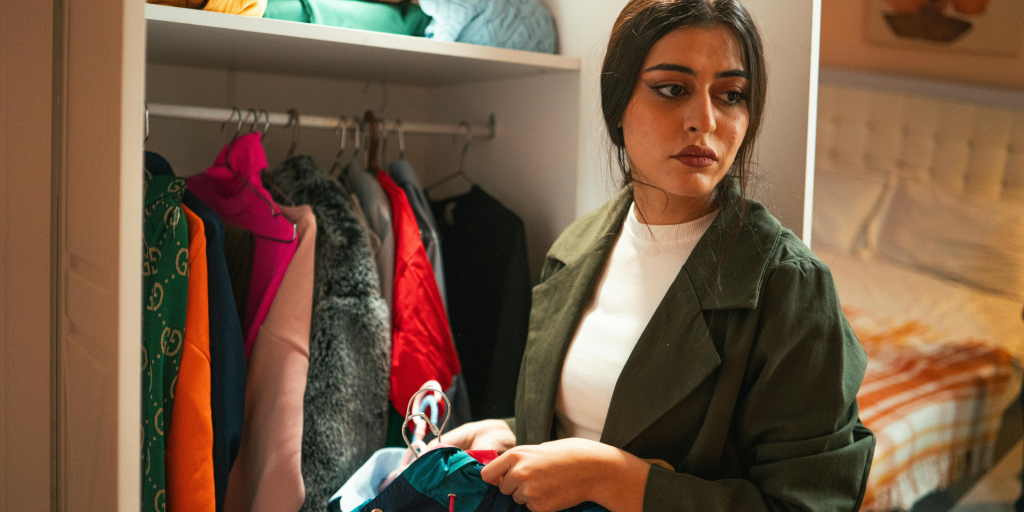
Often, before we can name what’s changing on the inside, we feel it when we open our wardrobe.
The clothes are there. They’re familiar. They once served a purpose.
But somehow, they no longer feel like home.
This is where life design through style and mindset begins, not with the idea of becoming someone new, but with reclaiming who you already are. With listening. With remembering. With gently asking yourself: What parts of me have been waiting to come back?
Change as a Return, not a Reinvention
Change is often framed as reinvention, as if we must discard the old and construct something entirely new. But for many people, especially in midlife or moments of transition, change feels less like invention and more like return.
A return to values.
A return to preferences.
A return to self-trust.
Life transitions – new careers, shifting family roles or empty nests – don’t erase who we are. They simply remove structures that once defined us. What remains can feel unfamiliar at first but it is often deeply true.
Style becomes meaningful here because it gives form to that truth. As a guiding principle of Style CoachingTM reminds us, “Style is a way to say who you are without having to speak.” When our outer expression hasn’t caught up with our inner return, we can feel disconnected,even restless.
Mindset: Reclaiming Before Refining
Reclamation always begins internally.
Before touching your wardrobe, there’s a mindset shift that quietly asks:
What do I want to honour now?
What am I done carrying?
What feels like me, without explanation?
This is a move away from dressing to perform or please and toward dressing to belong to yourself.
One of the recurring themes in your style philosophy is the invitation to celebrate uniqueness, a reminder that time is far too precious to live someone else’s life. Reclamation, in this sense, is not dramatic. It’s honest. It’s a willingness to stop outsourcing your identity and start trusting your own signal again.
Career Change as Self-Reclamation
Career transitions are often described as pivots or reinventions, but for many people they are actually acts of self-reclamation.
You might be:
Returning to work that feels more aligned
Stepping into leadership you once hesitated to claim
Leaving behind a role that no longer reflects your values
The question then becomes not “Who do I need to become?” but “Who have I always been and how do I lead now?”
Style supports this moment by acting as a bridge. Clothing becomes a way to embody alignment before everything feels settled. It allows you to show up with quiet confidence, even while the path is still unfolding.
This reflects the idea that success isn’t just about the destination, but about how you experience the journey. Dressing with intention during change isn’t premature, it’s supportive.
The Empty Nest: Reclaiming the Woman Beyond the Roles
The empty nest is often tender. With fewer daily demands, there is suddenly space, and space can feel both freeing and confronting.
Many realise that for years, their wardrobes were built around function, responsibility and being needed. Personal expression took a back seat. Not intentionally but gradually.
Reclamation in this season isn’t about chasing youth or proving relevance. It’s about remembering pleasure. Preference. Presence.
Getting dressed becomes a small but meaningful act of self-recognition. A way of saying, I’m still here. And I get to choose myself now.
Style CoachingTM supports this return by encouraging people to release clothes tied to old roles, not as loss, but as gratitude. Making room in the wardrobe mirrors making room in life.
Reclamation Without Erasure
You are not starting from scratch. You are not a blank slate.
Reclaiming yourself means:
Keeping what still feels true
Honouring your style signatures
Letting go only of what no longer supports you
Even a single, meaningful accessory can act as an anchor, a visual reminder of continuity as you shift and soften into a new season.
When Style Feels Like Coming Home
There is a particular ease that arrives when how you dress finally aligns with how you feel. Not because everything is perfect, but because it’s honest.
Misalignment often shows up as discomfort, indecision or a sense of being unseen. Alignment, on the other hand, feels like relief.
It happens when:
Your clothes reflect your values
Your choices are intentional rather than habitual
Getting dressed supports you instead of draining you
This is why style is not superficial. It’s a form of self-respect. Of tuning in to self. Of care.
Style as a Daily Act of Reclaiming
Life design isn’t a single moment of clarity. It’s a series of small, daily choices. Style meets you every morning, gently asking: What would it feel like to honour yourself today?
When approached with intention, getting dressed becomes:
A grounding ritual
A reminder of agency
A quiet affirmation of self-trust
The reflections within consistently frame style as meaning-making rather than perfection-seeking. In this way, style supports reclamation, not by changing who you are, but by allowing you to inhabit yourself more fully.
Stepping Forward as Yourself
Change doesn’t always ask us to become someone new. Often, it asks us to come back to ourselves.
Style offers a gentle bridge between the inner remembering you’re doing and the outer life you’re living. It helps you move through transitions with coherence, dignity and warmth, without pretending, performing or starting over.
When mindset and style work together, life design stops being about reinvention.
It becomes an act of reclamation.
And it becomes something you can wear.
Reach out to Seraphine at [email protected] for Style Coaching, Enneagram Profiling and EQ Competency Coaching. Quote PRIMEMIDLIFE on your email to enjoy competitive rates.