When most people think of the “core”, they imagine a flat stomach or toned abs. But in reality, your core is far more important than appearance — it’s the central support system for your entire body.
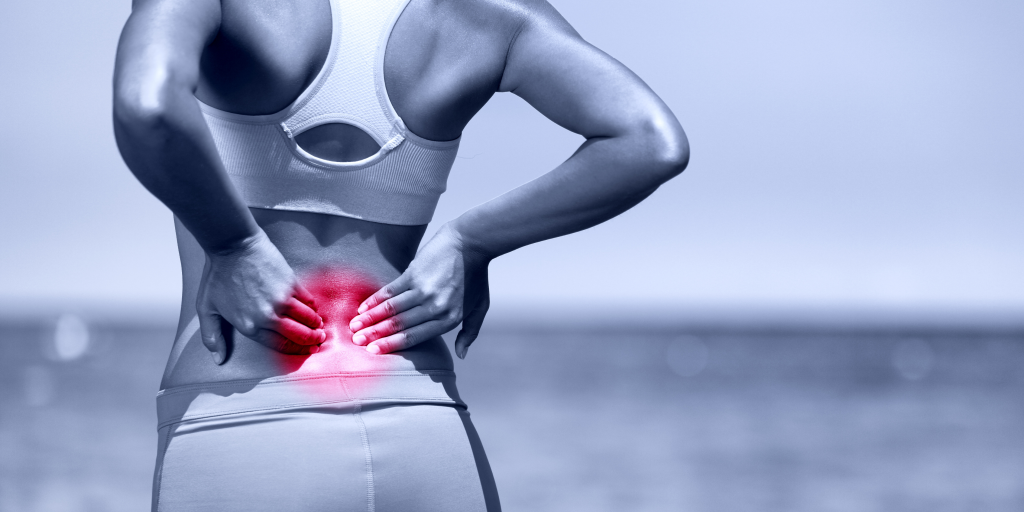
In midlife, core strength becomes even more critical. A strong core helps protect the spine, maintain good posture, and prevent the lower back pain that is increasingly common after 40. According to spinal health expert Dr. Stuart McGill, the goal is not endless sit-ups, but targeted exercises that build stability without straining the back.
Why Core Strength Matters in Midlife
The core includes more than your abdominal muscles — it’s a network of muscles around your torso, hips, and lower back that stabilise every movement you make.
A strong core:
- Reduces risk of back pain and injury
- Supports better posture, especially for those with desk-based jobs
- Improves balance and coordination, reducing fall risk
- Makes daily activities (lifting groceries, climbing stairs) easier and safer
The Midlife Core Mistake: Too Many Sit-Ups
Traditional sit-ups and crunches can put excessive pressure on the lower back and neck, especially if form breaks down. Dr. McGill’s research shows that safer, more effective core training focuses on stability, not repeated spinal bending.
The McGill “Big 3” Core Exercises
These three movements are a gold standard for building spine stability without injury risk.
1. Modified Curl-Up
- Lie on your back with one knee bent, one leg straight
- Place hands under your lower back to maintain its natural curve
- Lift head and shoulders slightly off the floor, keeping spine neutral
- Hold for 5–10 seconds, repeat 5–10 times each side
2. Side Plank
- Lie on your side, knees bent at 90 degrees
- Support yourself on your elbow, keeping hips and shoulders aligned
- Lift hips off the floor, hold for 10–20 seconds, repeat 3–5 times each side
3. Bird Dog
- Start on hands and knees
- Extend opposite arm and leg, keeping hips level
- Hold for 5–10 seconds, repeat 5–8 times each side
Making Core Work Practical in Asia
- Small living spaces: All three exercises can be done in a 2-metre space, no equipment required.
- Hot climates: Early morning or evening sessions are more comfortable.
- Cultural activity crossover: Tai chi, yoga, and Pilates naturally engage the core while improving flexibility and balance.
Everyday Core Habits
- Stand tall: Imagine a string lifting the crown of your head.
- Engage lightly when lifting: Brace your core before picking up heavy items.
- Alternate sitting positions: Use a small cushion to encourage upright posture.
- Break up sitting: Stand and walk for a minute every 30–45 minutes.
Core strength is not about sculpting a “six-pack” — it’s about creating a stable, resilient centre that supports everything you do. In midlife, when spinal health and posture need more care, consistent, safe core training is one of the best long-term investments you can make.
As Dr. McGill puts it, “The core’s job is to prevent motion, not create it.” Protect your spine, improve your posture, and you’ll carry that strength into every aspect of life.
Attribution:
This article draws on Dr. Stuart McGill’s spinal health research and physiotherapy best practices, adapted for midlife adults in Asia.