Modern life can be hectic, especially for men balancing career, family, and social commitments. Digital health tools and intentional lifestyle management can help Singaporean men maintain wellness, monitor health, and sustain work–life balance.
1. Digital Health Tools: Empowering Men’s Health
Technology offers convenience, tracking, and motivation:
- Health Apps: Track diet, exercise, sleep, and water intake
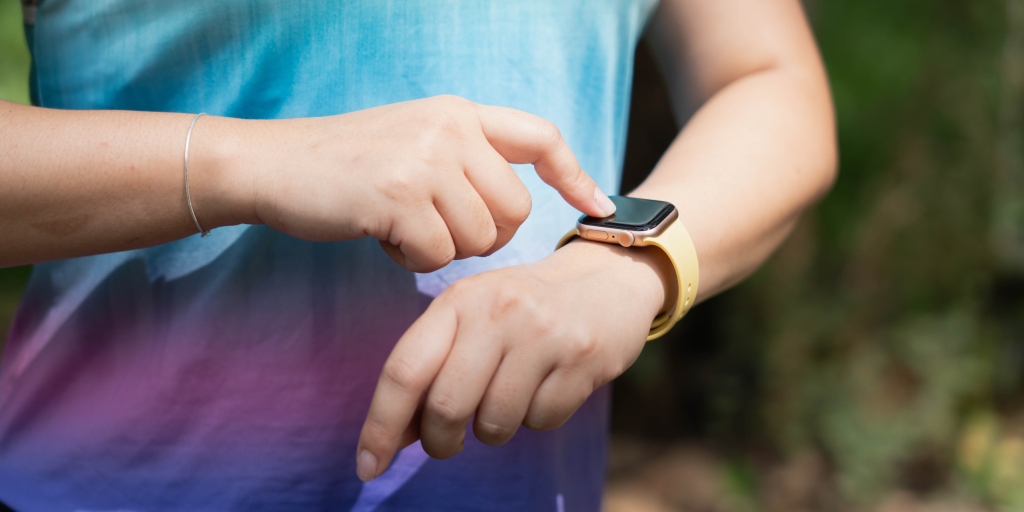
- Wearable Devices: Monitor steps, heart rate, sleep quality, and physical activity patterns
- Telemedicine Services: Access medical advice, consultations, and prescriptions remotely
- Online Calculators: BMI, calorie needs, blood pressure or cardiovascular risk assessments
Benefits include real-time feedback, goal-setting, and accountability, making preventive health easier to integrate into daily routines.
2. Using Technology Effectively
- Set realistic goals: Start with achievable daily or weekly targets
- Personalised tracking: Choose apps that suit your health focus, be it weight management, exercise, or sleep
- Data review: Periodically review trends, not just daily fluctuations
- Integration: Sync wearables with apps for comprehensive health tracking
Technology is a tool, not a replacement for professional medical advice. Use it alongside regular check-ups.
3. Fitness and Activity Integration
- Exercise planning: Schedule 150 minutes of moderate aerobic activity per week plus resistance training
- Home/work routines: Short strength sessions, stair climbing, walking meetings, and stretching breaks
- Incidental movement: Use step counters to motivate walking during breaks or commuting
Consistent movement, tracked digitally, reinforces healthy habits.
4. Nutrition and Digital Support
- Food tracking apps help monitor:
- Protein, vegetable, and whole grain intake
- Sodium and added sugar consumption
- Portion control for busy schedules
- Use reminders and meal planning features to avoid skipping meals or overeating during work stress.
5. Sleep and Stress Management
- Sleep trackers identify patterns and disturbances
- Relaxation apps offer guided meditation, breathing exercises, or stress-reduction routines
- Aim for 7-9 hours of quality sleep, regular sleep schedules, and reduced screen time before bed
Managing stress digitally complements physical and mental health efforts.
6. Work-Life Balance and Social Wellbeing
- Time management apps: Prioritize tasks, schedule breaks, and reduce overwork
- Group fitness apps or communities: Running clubs, cycling groups, or online challenges foster social engagement
- Social connections: Maintain friendships and family interactions; social support is protective for mental and physical health
Balancing work, health, and social life prevents burnout and enhances long-term wellness.
7. The Bottom Line
Digital health tools, when used thoughtfully, empower men to monitor, manage, and improve their health. Combined with structured lifestyle habits such as exercise, nutrition, sleep, and social engagement, these tools help men achieve sustainable wellness and work-life balance.
The key: consistent use, realistic goals, and integration with professional medical guidance.
References
- Ministry of Health Singapore. Healthier SG Implementation Plan. Singapore: MOH; 2023.
- Cadmus-Bertram LA, et al. Wearable activity trackers and health outcomes: a systematic review. Am J Prev Med. 2019;56(1):141–149.
- Gal R, et al. Mobile apps for self-management of lifestyle-related chronic diseases: systematic review. JMIR Mhealth Uhealth. 2020;8(2):e14400.
- Ekelund U, et al. Physical activity and all-cause mortality dose-response. Br J Sports Med. 2019;53(19):1207–1212.
- Harvard Health Publishing. How technology can support healthy habits. Boston: Harvard Health; 2021.
Please note that this article is meant for informational purposes only and is not meant to replace medical care/consultation with a registered healthcare provider.