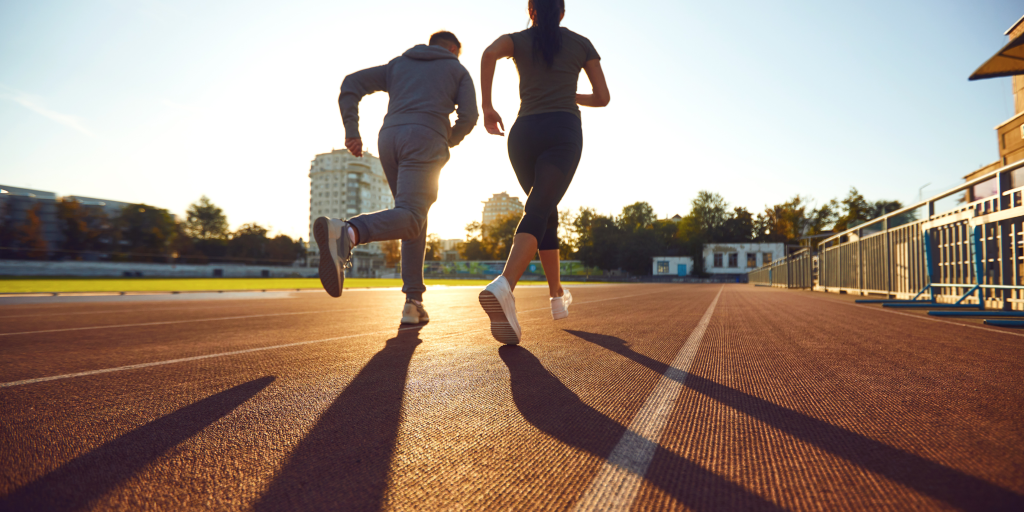
Exercise isn’t just about weight loss or muscle tone — it’s one of the most powerful tools we have for slowing the ageing process and extending both lifespan and healthspan.
In fact, research consistently shows that regular physical activity can reduce the risk of premature death by up to 30%. But beyond statistics, the real story lies in how movement impacts the systems that keep us alive and thriving.
How Exercise Slows Ageing at the Cellular Level
Mitochondrial Health
Mitochondria are the “power stations” of our cells, generating energy for everything from thinking to muscle contraction. With age, mitochondrial function declines, leading to fatigue and slower recovery. Exercise — especially aerobic activity — stimulates the production of new mitochondria, improving endurance and vitality.
Telomere Preservation
Studies from King’s College London have shown that people who engage in regular physical activity have longer telomeres than their sedentary peers, suggesting exercise helps protect against cellular ageing.
Anti-Inflammatory Effects
Movement reduces chronic inflammation (inflammageing) by lowering visceral fat and releasing anti-inflammatory proteins from muscles, known as myokines.
The Four Pillars of Longevity Fitness
- Aerobic Exercise
Activities like brisk walking, swimming, or cycling strengthen the heart and lungs, improve circulation, and enhance oxygen delivery to tissues.
- Goal: 150 minutes of moderate or 75 minutes of vigorous activity weekly.
- Asian-friendly example: Brisk morning walks in cooler hours, or swimming to avoid heat stress.
- Strength Training
Muscle mass naturally declines with age (sarcopenia), leading to weakness and increased fall risk. Resistance training preserves muscle, strengthens bones, and boosts metabolism.
- Goal: Two sessions per week targeting all major muscle groups.
- Options: Bodyweight exercises, resistance bands, dumbbells, or even traditional activities like carrying groceries or doing manual gardening.
- Mobility and Flexibility
These keep joints healthy, improve posture, and reduce injury risk.
- Options: Yoga, tai chi, dynamic stretching.
- Benefit: Particularly valuable in Asia’s ageing populations, where falls are a leading cause of injury in older adults.
- Balance Training
Often overlooked, balance is critical to preventing falls.
- Options: Single-leg stands, heel-to-toe walking, or tai chi movements.
Breaking the “Midlife Movement Myth”
Many people in their forties and fifties believe it’s too late to start. This couldn’t be further from the truth. Studies from Harvard and the University of Sydney show that even those who begin exercising in midlife enjoy significant gains in lifespan and quality of life.
In one Japanese study, sedentary individuals aged 50–65 who began a structured walking and resistance programme saw improvements in cardiovascular health and muscle function within just six months.
Fitting Movement into a Busy Asian Lifestyle
Urban life in Asia often means long working hours, traffic congestion, and limited green space. The solution? Integrate movement into daily routines:
- Walk or cycle for short commutes where possible.
- Take stairs instead of lifts.
- Do bodyweight exercises at home in short bursts — even 10 minutes counts.
- Schedule “movement breaks” during long desk hours to stretch and mobilise joints.
The Recovery Factor
Exercise is only beneficial if balanced with adequate recovery. Overtraining or ignoring rest can lead to injuries and hormonal imbalances. Sleep, hydration, and proper nutrition are essential for the body to adapt and grow stronger.
Exercise as Social Glue
In many Asian cultures, group exercise — from tai chi in the park to dance classes in community centres — not only supports physical health but strengthens social connections, which are themselves linked to longevity.
Think of exercise not as a chore, but as an investment that compounds over time. Every walk, lift, stretch, or balance drill is a deposit into your future self’s health account.
Movement is medicine — and like all good prescriptions, the benefits are greatest when you take it regularly.