
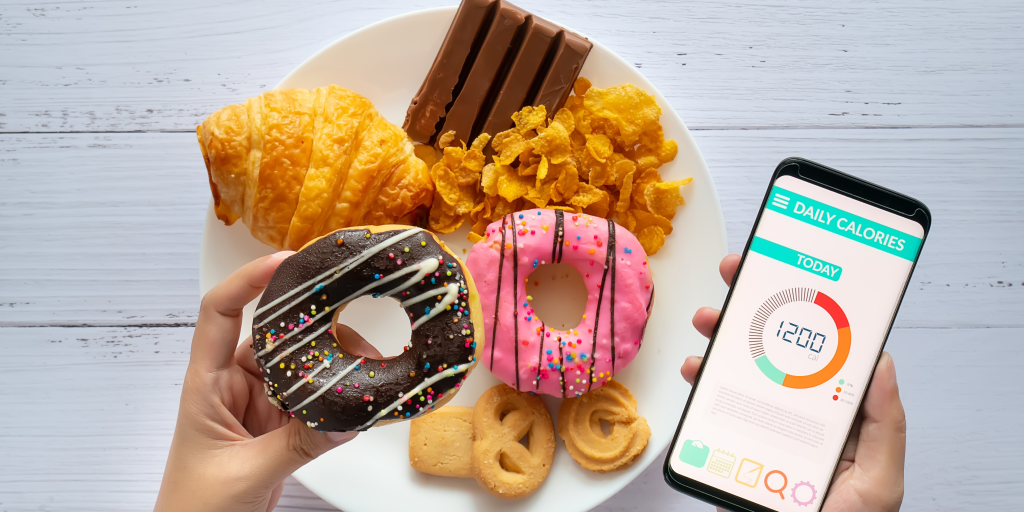
We’ve been told it for decades: “If you want to lose weight, eat fewer calories than you burn.” It sounds logical — almost mathematical. But for many people in midlife, this formula no longer works.
Dr. Jason Fung, nephrologist and leading voice on metabolic health, calls this the calorie deception. His central point is simple but powerful: the body is not a simple calculator. How we process food depends not only on the number of calories it contains but also on the hormonal signals it sends — and insulin is the key player.
Why Calories Alone Don’t Tell the Whole Story
Calories measure the amount of energy in food. But they don’t tell you how your body will use that energy. Two meals with the same calorie count can have vastly different effects on hormones, fat storage, and hunger.
Example:
- 500 calories of biscuits – High in refined carbs and sugar, they cause a rapid spike in blood glucose, triggering a strong insulin response. This tells the body to store energy as fat and suppresses fat burning. Hunger often returns quickly.
- 500 calories of salmon and vegetables – High in protein, healthy fats, and fibre, they cause a smaller glucose rise, a lower insulin response, and longer-lasting satiety. The body is more likely to use the energy for repair and function, not storage.
Insulin: The Fat-Storage Switch
Insulin’s primary role is to move glucose from the blood into cells for energy. But when insulin levels are consistently high — often due to frequent eating or high-sugar diets — the body switches into storage mode:
- Fat burning is switched off.
- Excess glucose is converted into fat.
- Hunger and cravings increase as blood sugar drops after spikes.
Over years, this constant cycle can lead to insulin resistance, where cells stop responding effectively to insulin. This makes it harder to lose weight and easier to gain it, especially around the middle.
Why Midlife Changes the Game
In midlife, hormonal shifts magnify the insulin effect:
- Women experience declining oestrogen during perimenopause and menopause, which reduces insulin sensitivity.
- Men experience gradual testosterone decline (andropause), which can increase visceral fat and worsen insulin resistance.
- Years of “healthy” snacking habits mean insulin levels rarely drop, keeping the body locked in storage mode.
The result? Even modest calorie reduction can fail to produce results — because the hormonal environment is working against fat loss.
Breaking the Insulin Trap
Dr. Fung suggests shifting focus from calories to hormonal responses. Here are strategies to lower insulin and improve metabolic flexibility:
1. Choose Foods with a Low Glycaemic Impact
Favour whole, unprocessed foods that cause slower, smaller rises in blood sugar:
- Non-starchy vegetables
- Whole fruits (berries, apples, pears)
- Legumes
- Nuts and seeds
2. Prioritise Protein and Healthy Fats
Protein and fat do not raise insulin as much as carbohydrates. Include sources like:
- Oily fish
- Eggs
- Olive oil and avocado
- Poultry and lean meats
3. Space Out Meals
Avoid constant grazing. Allow at least 4–5 hours between meals so insulin levels can drop and fat burning can resume.
4. Incorporate Intermittent Fasting
Short daily fasts (14–16 hours) or occasional longer fasts can help reset insulin sensitivity.
5. Address Lifestyle Factors
Chronic stress and poor sleep can raise cortisol, which indirectly raises insulin. Stress management and quality rest are as important as dietary choices.
Why This Matters for Long-Term Health
Focusing only on calories risks ignoring the real driver of midlife weight gain: hormonal imbalance. By addressing insulin, you not only improve weight management but also reduce the risk of type 2 diabetes, cardiovascular disease, and other insulin-related conditions.
A New Way of Thinking
When you realise that not all calories are created equal, the path to better health shifts from deprivation to strategic eating. It’s about choosing foods that nourish, sustain, and keep insulin in check — rather than simply cutting portions and hoping for the best.
Attribution:
This article is inspired by the public teachings and clinical research of Dr. Jason Fung, author of The Obesity Code and co-founder of The Fasting Method. All interpretations are intended for educational purposes and do not imply any direct affiliation or endorsement.