
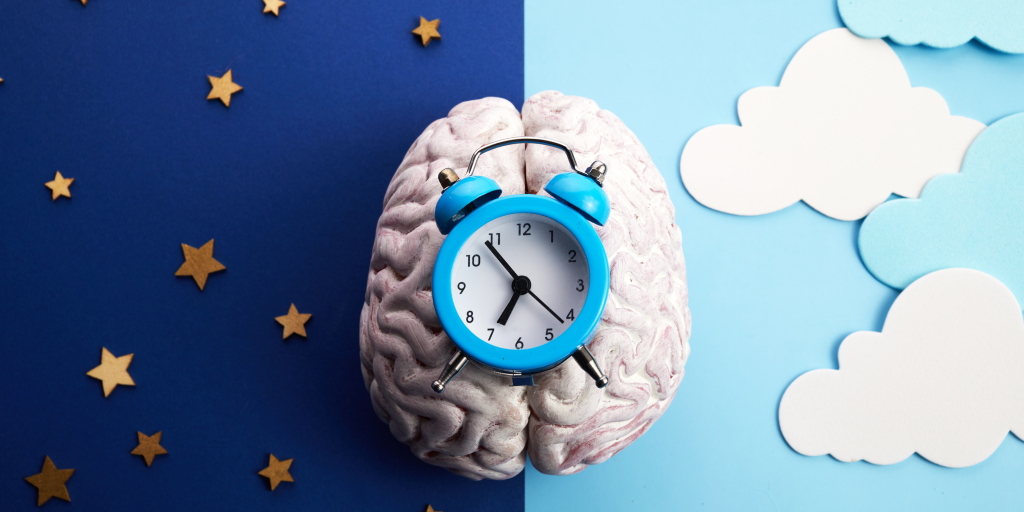
In modern life, especially in fast-paced cities across Asia, it is increasingly common to feel as though the day never truly ends. Work emails arrive late at night, meals happen at irregular hours, and the line between “on” and “off” time has blurred.
While this lifestyle may seem manageable in the short term, it disrupts two of the most important factors for long-term health: quality sleep and a stable body clock. When these are compromised, stress levels rise — and chronic stress, in turn, makes it even harder to sleep well.
Breaking this cycle is essential for both immediate wellbeing and longevity.
The Body’s Master Clock
At the centre of our timekeeping system lies the suprachiasmatic nucleus (SCN), a small cluster of neurons in the hypothalamus. This “master clock” coordinates thousands of biological processes — hormone release, body temperature, digestion, immune responses — to a roughly 24-hour rhythm known as the circadian cycle.
Light is the main synchroniser. Bright morning light tells the SCN it is time to be alert; darkness triggers melatonin release, preparing the body for rest. When we override these cues — with late-night light exposure, irregular sleep schedules, or shift work — the master clock drifts out of sync with our environment.
How Stress Disrupts the Clock
Stress activates the hypothalamic-pituitary-adrenal (HPA) axis, releasing cortisol. Normally, cortisol peaks in the morning and declines through the day. Chronic stress flattens this curve, leading to:
- Higher evening cortisol levels, which delay sleep onset.
- Reduced deep sleep and REM, impairing recovery.
- Altered appetite regulation, increasing cravings for high-sugar foods.
Research from the University of California shows that even moderate stress can shift circadian timing by several hours, contributing to insomnia and daytime fatigue.
Sleep Deprivation and Stress: A Two-Way Street
Poor sleep increases activity in the amygdala — the brain’s threat detection centre — making us more reactive to stressors. This heightened state feeds back into lighter, more fragmented sleep, creating a loop that is hard to break.
In midlife, additional factors like hormonal changes, caregiving responsibilities, and career pressures make this loop more likely to form.
Asian Lifestyle Pressures
Across Asia, certain lifestyle norms add to this challenge:
- Late-night meals: Common in social and work settings, but eating close to bedtime raises body temperature and disrupts digestion.
- High-density urban living: Noise, light pollution, and reduced green space hinder restful nights.
- Digital connectivity: Messaging apps and work platforms blur the boundaries between work hours and personal time.
Restoring Balance: Evidence-Based Strategies
1. Anchor Your Day with Light
Morning light exposure — even on cloudy days — helps reset the circadian clock. Aim for 15–30 minutes outdoors before midday. If this is not possible, light therapy lamps can be a useful alternative.
2. Protect the “Golden Hour” Before Bed
The last 60 minutes before sleep should be free from bright screens, stimulating conversations, or heavy meals. Dim lighting and quiet activities like reading or gentle stretching signal to the brain that it is time to rest.
3. Regulate Meal Timing
Keeping meals within a consistent daily window helps align digestion with circadian rhythms. For example, finishing dinner at least three hours before bedtime improves both sleep quality and metabolic health.
4. Evening Stress Downshift
Integrating calming rituals — deep breathing, meditation, or herbal teas like chamomile — can lower evening cortisol levels.
5. Mind-Body Recovery Practices
Yoga nidra, tai chi, and mindfulness meditation have been shown in randomised controlled trials to improve both sleep efficiency and perceived stress in midlife adults.
The Role of Naps
Short daytime naps (10–20 minutes) can help offset sleep debt without interfering with night-time rest, provided they occur before mid-afternoon. Longer naps may push back evening sleep onset, especially in people already struggling with insomnia.
Adapting to Shift Work or Irregular Schedules
For those whose careers require irregular hours — healthcare, hospitality, transport — maintaining perfect circadian alignment is unrealistic. Instead:
- Use blackout curtains or eye masks to mimic night-time during daytime sleep.
- Maintain consistent sleep and wake times even on days off.
- Eat main meals at the same times each day to give the body an additional time cue.
When to Seek Professional Support
Persistent insomnia, frequent night-time waking, or overwhelming fatigue despite adequate hours in bed may indicate:
- Sleep apnoea
- Restless legs syndrome
- Depression or anxiety disorders
Addressing these underlying issues is essential for restoring a healthy sleep-stress balance.
A Personal Recovery Framework
To protect sleep and manage stress in a 24/7 world, I often recommend midlife patients use a simple framework:
- Morning Light — natural or artificial, within an hour of waking.
- Movement — light exercise in the morning or afternoon to support circadian alignment.
- Mindful Evenings — reduced stimulation and a consistent wind-down routine.
- Nutrition Timing — last meal at least three hours before bed.
- Night-time Environment — cool, dark, and quiet sleeping space.
In the constant hum of modern life, the body’s need for rhythm has not changed — only our environment has. By deliberately aligning daily habits with the body’s natural clock, and by calming the stress response before nightfall, we can restore one of the most fundamental human experiences: truly restorative sleep.
In doing so, we not only improve how we feel tomorrow but also protect our health for the decades ahead.