
Introduction
Caregiving in midlife often involves managing multiple responsibilities at once, from coordinating medical appointments to handling daily routines and household tasks. As these demands grow, many caregivers find themselves searching for ways to stay organised and reduce the mental load.
Technology, when used thoughtfully, can act as a quiet support system. It does not replace the human aspect of caregiving, but it can streamline tasks, improve coordination, and create space for more meaningful interactions.
Reducing the Mental Load Through Organisation
One of the less visible challenges of caregiving is the constant need to remember details. Medication schedules, appointments, dietary needs, and symptoms can quickly become overwhelming when held entirely in memory.
Digital tools can help externalise this information. Calendar applications, for example, allow caregivers to track appointments and set reminders well in advance. Synchronising calendars with family members can also improve coordination and reduce the risk of missed commitments.
Similarly, note-taking applications or simple digital logs can be used to record changes in health, questions for medical appointments, or observations about daily routines. Having this information readily accessible provides clarity and continuity.
Medication and Health Management Tools
Managing medications is a critical aspect of caregiving, and errors can have serious consequences. Technology offers several ways to reduce this risk.
Medication reminder applications can send alerts when doses are due, helping maintain consistency. Some systems also allow for tracking whether a dose has been taken, which is particularly useful when multiple caregivers are involved.
In addition, digital health platforms enable caregivers to store medical records, test results, and care plans in one place. This centralised access can be especially helpful during medical consultations, where quick access to accurate information supports better decision-making.
Telehealth and Remote Care
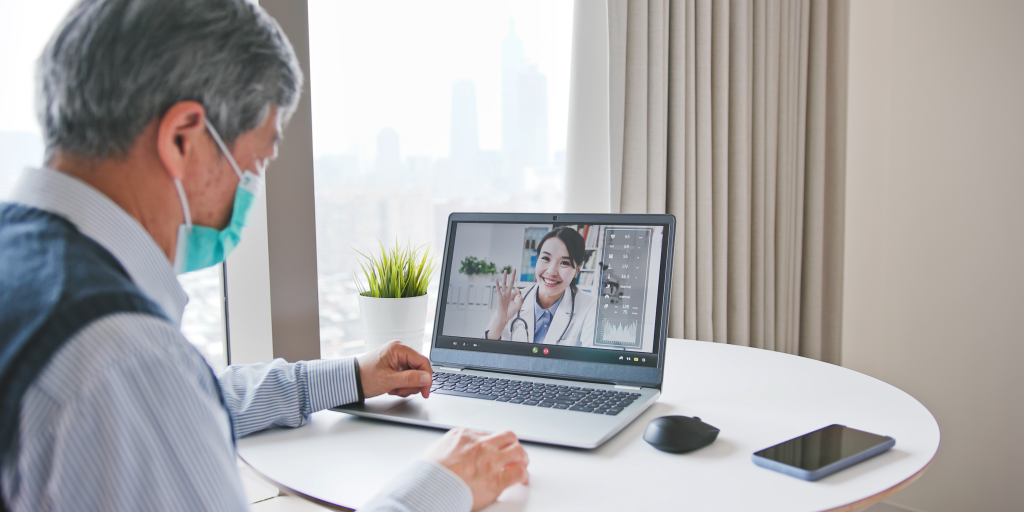
Access to healthcare has evolved significantly with the introduction of telehealth services. Virtual consultations allow caregivers and their loved ones to speak with healthcare professionals without the need for travel.
This can be particularly valuable when mobility is limited or when appointments are frequent. Telehealth also provides an opportunity to involve other family members in consultations, even if they are in different locations.
Remote monitoring tools, such as wearable devices or home-based sensors, can track vital signs, activity levels, or sleep patterns. These insights can help identify changes early and support more proactive care.
Assistive Devices for Daily Living
Beyond digital applications, a range of assistive devices can make daily caregiving tasks more manageable. These tools are designed to support independence while reducing physical strain on caregivers.
Examples include:
- Mobility aids that improve safety and reduce the risk of injury
- Smart home devices that enable voice-controlled lighting or temperature adjustments
- Automated pill dispensers that simplify medication routines
- Safety alarms or monitoring systems that provide reassurance
Integrating even a few of these tools can create a safer and more efficient environment.
Staying Connected Through Technology
Technology also plays a role in maintaining connection. Video calls, messaging platforms, and social applications allow caregivers and their loved ones to stay in touch with family and friends, even when in-person visits are not always possible.
For individuals receiving care, these interactions can reduce feelings of isolation. For caregivers, they provide an opportunity to share updates, seek advice, or simply enjoy a moment of normal conversation.
Choosing the Right Tools
With so many options available, it can be tempting to adopt multiple tools at once. However, simplicity is often more effective. Selecting a few tools that align with your specific needs is more sustainable than trying to manage complex systems.
When evaluating options, consider:
- Ease of use for both you and your loved one
- Compatibility with existing devices
- Data privacy and security
- Whether the tool genuinely reduces effort rather than adding complexity
Starting small allows you to build confidence and gradually integrate additional tools if needed.
Maintaining a Human-Centred Approach
While technology can enhance efficiency, it is most effective when it supports, rather than replaces, human interaction. Caregiving remains a deeply personal role, built on trust, empathy, and connection.
Using technology to handle routine tasks can free up time and energy for these more meaningful aspects of care.
Conclusion
Technology offers practical ways to simplify caregiving in midlife, from organising daily tasks to improving access to healthcare and enhancing safety.
By choosing tools that fit naturally into your routine, you can reduce stress, improve coordination, and create more space for what matters most.
Thoughtful use of these resources allows caregivers to work more efficiently while maintaining the personal connection at the heart of caregiving.
References
- World Health Organization. Global Strategy on Digital Health 2020–2025. 2021.
- National Institute on Ageing. Technology to Support Aging in Place. 2023.
- Czaja SJ, Boot WR, Charness N, Rogers WA. Designing for older adults: Principles and creative human factors approaches. 3rd ed. CRC Press; 2019.
- Pew Research Center. Technology Use Among Older Adults. 2022.
- OECD. Health at a Glance 2021: Digital Health. 2021.