
Midlife health is about far more than just disease prevention — it’s about sustaining strength, resilience, and vitality. For men in their 40s and 50s, this stage often presents a subtle but complex blend of physical and psychological changes: declining testosterone, increased stress, changing body composition, and a sense of urgency around purpose and performance.
While many men dismiss these shifts as “just getting older,” the truth is that modern medicine and lifestyle science offer robust strategies to manage this transition effectively. From hormonal support to mental clarity and physical resilience, ageing well is possible — but it requires intentional effort.
Understanding the Hormonal Landscape
What Is Andropause?
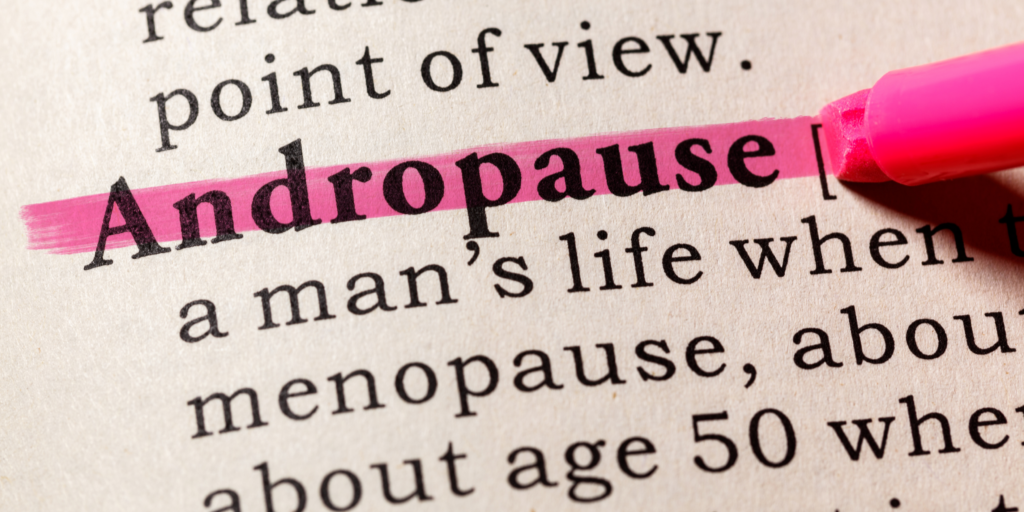
Unlike the clear-cut event of menopause in women, men experience a more gradual decline in testosterone — sometimes called andropause or late-onset hypogonadism. However, the term is controversial because not all men experience symptoms, and not all symptoms are due to testosterone deficiency.
What Happens to Testosterone?
Testosterone levels peak in a man’s late teens and early 20s. From age 30 onwards, levels decline by approximately 1% per year. By their 50s, some men begin to feel the impact:
- Fatigue and loss of motivation
- Decreased libido and erectile difficulties
- Increased body fat, especially abdominal
- Reduced muscle mass and strength
- Difficulty concentrating or “brain fog”
- Low mood or irritability
These symptoms are not diagnostic on their own, but when combined with low serum testosterone levels, they may indicate testosterone deficiency syndrome (TDS).
Testing and Diagnosis
If symptoms suggest low testosterone, a blood test should be conducted early in the morning (typically between 7am and 10am) to measure total testosterone levels. A reading below 8 nmol/L is generally considered low. Borderline levels (8–12 nmol/L) may warrant further testing, including free testosterone, SHBG (sex hormone-binding globulin), and LH levels.
However, diagnosis should never be made on numbers alone. Clinical assessment remains essential.
The Role of Cortisol and Chronic Stress
Midlife Stress is Real
In midlife, men often face peak responsibilities — career pressures, family demands, financial obligations, and ageing parents. Chronic stress raises cortisol levels, which:
- Increases abdominal fat storage
- Suppresses testosterone production
- Disrupts sleep and recovery
- Impairs memory and decision-making
- Weakens immune function
Sustained high cortisol accelerates ageing at the cellular level, promotes inflammation, and undermines hormonal balance.
Recognising Stress Symptoms
- Irritability, anger, or emotional withdrawal
- Difficulty sleeping or waking unrefreshed
- Cravings for sugar, caffeine, or alcohol
- Frequent colds or slow recovery
- Loss of interest in sex or hobbies
Men often internalise stress, making it harder to identify and address. Encouraging self-awareness and seeking support are critical steps.
Building Strength: The Role of Exercise
Strength training is one of the most effective tools men can use to maintain vitality as they age. Benefits include:
- Preserving lean muscle mass
- Increasing resting metabolic rate
- Enhancing insulin sensitivity
- Supporting bone density
- Stimulating natural testosterone production
- Improving mental wellbeing
Recommended Regimen
- Resistance training: 2–3 sessions per week targeting major muscle groups
- Cardiovascular exercise: 150 minutes of moderate-intensity activity per week
- Mobility and flexibility: Stretching, yoga, or foam rolling to prevent injury
- Recovery: Prioritising rest and sleep to allow hormone restoration and repair
Men who are new to resistance training should start under professional guidance to avoid injury and build sustainable habits.
Nutrition for Hormonal Optimisation
Diet plays a foundational role in supporting healthy testosterone and reducing inflammation.
What to Eat More Of:
- Healthy fats: Avocados, nuts, seeds, olive oil, oily fish (omega-3s)
- High-quality protein: Eggs, chicken, lean beef, legumes
- Vegetables and fibre: Cruciferous vegetables (e.g., broccoli, kale) help regulate oestrogen metabolism
- Zinc-rich foods: Pumpkin seeds, oysters, beef — essential for testosterone production
- Vitamin D: Sun exposure, fortified foods, or supplements
What to Reduce:
- Processed foods and refined sugars
- Excess alcohol
- Trans fats and fried foods
- Highly processed carbohydrates
Weight gain — especially central adiposity — is associated with reduced testosterone and increased oestrogen activity due to aromatase enzyme activity in fat tissue.
Alcohol, Smoking, and Hormone Health
Alcohol
Excessive alcohol disrupts the HPG (hypothalamic-pituitary-gonadal) axis, leading to:
- Reduced testosterone synthesis
- Poor sleep and recovery
- Increased visceral fat and insulin resistance
Moderation is key: NHS guidelines recommend no more than 14 units per week, spread across several days.
Smoking
Smoking contributes to vascular disease, which impairs erectile function and increases the risk of cardiovascular events. It also negatively impacts sperm quality and testosterone levels.
Supplements and Testosterone Replacement Therapy (TRT)
Supplements
While many products claim to “boost testosterone,” few are supported by robust evidence. However, certain nutrients are worth considering:
- Vitamin D3: Especially for those with limited sun exposure
- Zinc and magnesium: For those with dietary deficiencies
- Ashwagandha: An adaptogen with limited but promising evidence
- Creatine monohydrate: Enhances muscle strength and may indirectly support hormonal balance through exercise
Always consult a healthcare provider before starting supplements, particularly if on other medications.
TRT: When Is It Appropriate?
TRT may be indicated for men with confirmed testosterone deficiency and persistent symptoms that do not respond to lifestyle changes. Benefits include:
- Improved energy and libido
- Increased muscle mass and reduced fat
- Better mood and cognitive function
- Improved bone density
However, TRT is not without risks. It may increase haematocrit, exacerbate sleep apnoea, and suppress natural testosterone production. It is contraindicated in men with prostate cancer or untreated severe sleep apnoea.
Formulations include gels, injections, patches, and pellets. Ongoing monitoring is essential, including PSA, haematocrit, and lipid profile.
Sleep: The Forgotten Hormonal Regulator
Sleep is one of the most powerful regulators of testosterone. Studies show that even one week of restricted sleep (under 5 hours per night) can reduce testosterone levels by up to 15%.
Tips for Optimising Sleep:
- Consistent sleep and wake times
- Avoid screens and bright light 1–2 hours before bed
- Reduce caffeine and alcohol, particularly in the evening
- Create a cool, dark, quiet sleep environment
- Consider mindfulness or breathwork for stress regulation before bed
Improved sleep can enhance recovery, cognition, emotional regulation, and hormonal balance.
Longevity vs Healthspan: What Matters Most
Living longer is not the goal — living well for longer is. Healthspan refers to the number of years lived in good health, free from disease and disability. For midlife men, key strategies to extend healthspan include:
- Routine screening for cardiovascular disease, diabetes, prostate health, and bowel cancer
- Consistent physical activity to prevent sarcopenia and metabolic decline
- Nutritional awareness to support hormones and reduce inflammation
- Stress mastery to avoid burnout and promote resilience
- Meaningful relationships and purpose to protect mental and cognitive wellbeing
Final Thoughts
Midlife brings hormonal shifts and new health risks — but it also brings the wisdom and capacity to make better choices. By addressing testosterone changes, managing stress, building strength, and prioritising recovery, men can navigate this stage with clarity and intention.
Ageing well is not about holding on to youth — it’s about adapting with strength, insight, and a proactive approach to mind and body. When men understand the science of their own biology and engage in evidence-based action, midlife becomes not a crisis, but a powerful evolution.