Have you ever experienced “butterflies” in your stomach before an important presentation? Or noticed that stress sometimes causes an upset stomach? These experiences are not merely coincidences. Instead, they reflect the remarkable connection between your gut and your brain.
Over the past two decades, scientists have discovered that the trillions of bacteria, fungi and other microorganisms living in our digestive tract,collectively known as the gut microbiome, play a much larger role in our health than previously imagined. Beyond digestion, these microbes influence immunity, metabolism, inflammation and even mental well-being.
As we enter midlife, maintaining a healthy gut becomes increasingly important. Changes in diet, medications, physical activity, stress, hormone levels and ageing itself can alter the balance of the microbiome, potentially affecting mood, memory and overall health.
Understanding the gut-brain connection offers exciting opportunities to support both physical and emotional well-being through simple lifestyle choices.
What Is the Gut Microbiome?
The human digestive tract is home to an estimated trillions of microorganisms, including thousands of different bacterial species.
Far from being harmful, many of these microbes perform essential functions, including:
- Digesting dietary fibre
- Producing vitamins such as vitamin K and certain B vitamins
- Supporting immune function
- Protecting against harmful bacteria
- Producing beneficial compounds called short-chain fatty acids
- Helping regulate inflammation
A healthy microbiome is characterised not by one particular bacterial species but by diversity.
Generally, the greater the diversity of beneficial microorganisms, the healthier the gut ecosystem.
What Is the Gut-Brain Axis?
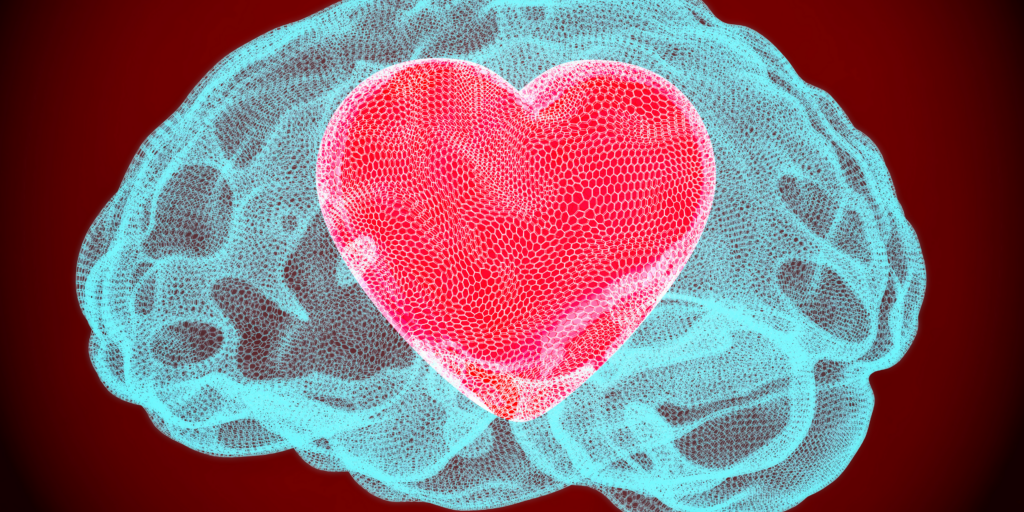
The gut and brain communicate continuously through a sophisticated network known as the gut-brain axis.
This communication occurs through several pathways:
- The vagus nerve
- Hormones
- Immune signalling
- Microbial metabolites
- Neurotransmitters
In fact, approximately 90% of the body’s serotonin, a neurotransmitter involved in mood regulation, is produced in the digestive system. While this serotonin does not directly enter the brain, it highlights the close relationship between gut health and overall physiology.
Researchers continue to uncover how gut microbes influence brain function, emotional regulation and cognitive health.
How Does the Microbiome Change After 40?
Ageing naturally influences the composition of the gut microbiome.
Several factors contribute to these changes:
- Reduced dietary diversity
- Lower fibre intake
- Hormonal changes during menopause and andropause
- Chronic diseases
- Increased medication use
- Antibiotic exposure
- Reduced physical activity
- Chronic stress
- Poor sleep
These changes may reduce microbial diversity and increase inflammation, both of which have been associated with poorer health outcomes.
Can Gut Health Affect Mood?
Emerging evidence suggests that it can.
Although research is ongoing, scientists have found associations between alterations in the gut microbiome and several mental health conditions, including:
- Anxiety
- Depression
- Chronic stress
- Cognitive decline
The relationship is complex and works in both directions.
Stress can alter the gut microbiome, while changes in the microbiome may influence stress responses and emotional regulation.
Importantly, gut health is one factor among many that affects mental well-being. Genetics, life experiences, sleep, exercise, relationships and overall physical health also play significant roles.
The Role of Inflammation
One way the microbiome may influence the brain is through inflammation.
A healthy gut lining acts as a protective barrier, preventing harmful substances from entering the bloodstream.
When this barrier becomes less effective, a process sometimes referred to as increased intestinal permeability may contribute to chronic low-grade inflammation.
Persistent inflammation has been linked with:
- Cardiovascular disease
- Type 2 diabetes
- Obesity
- Depression
- Cognitive decline
Maintaining gut health may therefore contribute to healthier ageing overall.
Feed Your Microbiome: Foods That Support Gut Health
Rather than focusing on supplements alone, experts recommend building a diet that naturally supports a healthy microbiome.
Eat more fibre
Dietary fibre is the preferred food source for many beneficial gut bacteria.
Excellent sources include:
- Vegetables
- Fruits
- Whole grains
- Legumes
- Nuts
- Seeds
Adults should aim to consume a variety of fibre-rich foods each day.
Enjoy fermented foods
Fermented foods naturally contain beneficial microorganisms.
Examples include:
- Yoghurt with live cultures
- Kefir
- Kimchi
- Sauerkraut
- Tempeh
- Miso
Including fermented foods regularly may help increase microbial diversity as part of an overall healthy diet.
Include prebiotic foods
Prebiotics are specialised fibres that nourish beneficial bacteria.
Good sources include:
- Garlic
- Onions
- Leeks
- Asparagus
- Bananas
- Oats
- Chicory root
These foods help beneficial bacteria thrive.
Choose healthy fats
Healthy fats support both cardiovascular and brain health.
Examples include:
- Olive oil
- Avocados
- Nuts
- Seeds
- Oily fish such as salmon, sardines and mackerel
Omega-3 fatty acids have also been associated with better brain health.
Limit ultra-processed foods
Diets high in refined sugars, processed meats and highly processed foods may reduce microbial diversity and contribute to inflammation.
The goal is not perfection, but making minimally processed foods the foundation of your diet.
Lifestyle Habits That Support a Healthy Gut
Nutrition is only one part of the picture.
Other habits that benefit the microbiome include:
- Regular physical activity
- Adequate sleep
- Stress management
- Staying hydrated
- Avoiding unnecessary antibiotic use
- Not smoking
- Limiting excessive alcohol consumption
Healthy habits work together to support both gut and brain health.
Should You Take Probiotics?
Probiotics may benefit certain individuals, but they are not a one-size-fits-all solution.
Current research suggests that specific probiotic strains may help in selected conditions such as antibiotic-associated diarrhoea or irritable bowel syndrome. However, evidence for improving mood or preventing depression remains mixed.
Rather than relying solely on supplements, experts recommend prioritising a diverse, plant-rich diet that naturally supports the microbiome.
If you are considering probiotics for a medical condition, discuss the options with your healthcare provider.
When Should You Seek Medical Advice?
Persistent digestive symptoms should never be ignored.
Consult a healthcare professional if you experience:
- Ongoing abdominal pain
- Persistent diarrhoea or constipation
- Blood in the stool
- Unexplained weight loss
- Difficulty swallowing
- Severe bloating
- Symptoms of depression or anxiety that persist
Both digestive and mental health conditions deserve proper evaluation and treatment.
Looking After Your Gut Is Looking After Your Whole Body
The relationship between the gut and brain is one of the most exciting areas of modern medical research. While scientists are still uncovering many of its complexities, one message is already clear: healthy lifestyle habits benefit both the microbiome and overall well-being.
Eating a diverse, fibre-rich diet, staying physically active, sleeping well and managing stress do more than improve digestion—they support your heart, immune system, brain and emotional health.
As we age, caring for our gut is not simply about avoiding digestive problems. It is about investing in healthier ageing from the inside out.
Key Takeaways
- The gut microbiome consists of trillions of microorganisms that support digestion, immunity and overall health.
- The gut and brain communicate continuously through the gut-brain axis.
- Healthy eating patterns rich in fibre and fermented foods promote microbial diversity.
- Lifestyle factors including exercise, sleep and stress management influence both gut and brain health.
- A healthy microbiome supports overall well-being, but it is only one part of maintaining good mental health.
References
- World Gastroenterology Organisation. Guidelines on Probiotics and Prebiotics.
- Harvard Medical School. The Gut-Brain Connection.
- National Institutes of Health. Human Microbiome Research.
- Nature Reviews Gastroenterology & Hepatology. Gut Microbiome and Healthy Ageing.
- The Lancet Gastroenterology & Hepatology. Gut Microbiota Reviews.
- British Dietetic Association. Gut Health Factsheets.
- World Health Organization. Healthy Diet Guidelines.
#PrimeMidlife #GutHealth #GutBrainAxis #Microbiome #HealthyAgeing #MentalWellbeing #Nutrition #DigestiveHealth #PreventiveHealth #WellnessOver40