Healthy eating isn’t simply about avoiding illness — it’s about supporting the intricate biological systems that keep us youthful, mobile, and mentally sharp as the years advance.
Nutrition affects how we age at the most fundamental levels: the way our cells repair, how our immune system responds, and even how our genes express themselves.
Diet and the Biology of Ageing
1. Nutrient Sensing Pathways
Your cells are constantly monitoring the availability of nutrients. When energy is abundant — as in constant snacking or overeating — growth pathways like mTOR remain switched on. While important for repair, chronically high mTOR activity may accelerate ageing. Periods of modest caloric intake, or diets rich in plant proteins, can help maintain a healthier balance between growth and repair.
2. Insulin Sensitivity
As we age, we naturally become less sensitive to insulin, the hormone that regulates blood sugar. This “insulin resistance” is a major driver of metabolic diseases. Diets that minimise refined carbohydrates and include fibre-rich whole foods help preserve insulin sensitivity, keeping energy stable and reducing disease risk.
3. Mitochondrial Support
Mitochondria — the power generators of our cells — are vulnerable to damage from oxidative stress. Certain nutrients, like coenzyme Q10 from oily fish, or polyphenols from green tea and berries, can protect mitochondrial membranes and improve energy metabolism.
Cellular Repair and Protection
Autophagy Activation
Autophagy — the cellular “recycling” process — is influenced by what and when we eat. Diets that include natural fasting periods (such as time-restricted eating) encourage cells to break down and repurpose damaged components, improving resilience.
Reducing Glycation
Excess sugar in the bloodstream can bind to proteins, creating advanced glycation end-products (AGEs) that damage tissues and accelerate skin and organ ageing. Limiting ultra-processed foods and sweetened drinks can slow this process.
Anti-Inflammatory Eating for Longevity
Inflammation is part of life — but persistent, low-grade inflammation shortens it. Anti-inflammatory eating isn’t about one “magic” food, but a pattern:
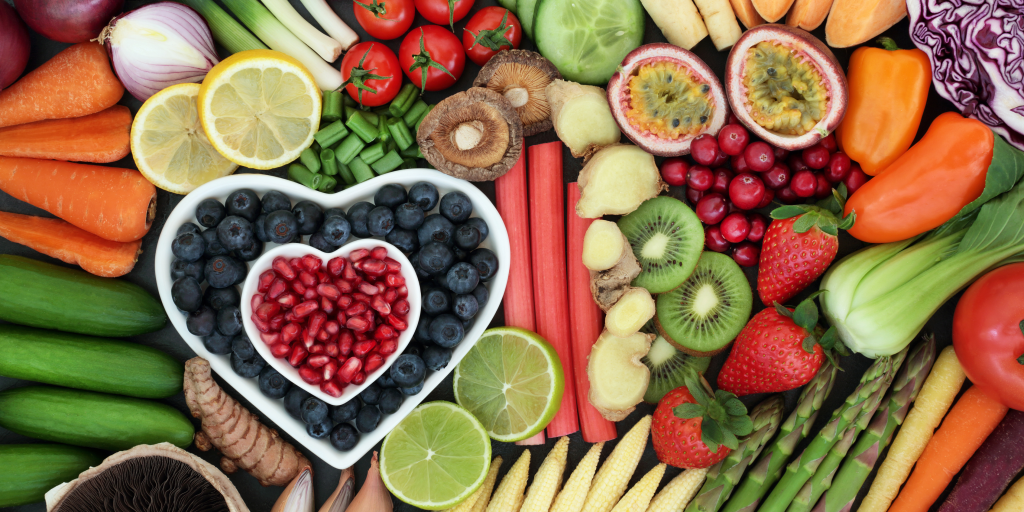
- A colourful variety of vegetables and fruits to supply antioxidants.
- Spices such as turmeric and ginger that modulate inflammatory pathways.
- Healthy fats from nuts, seeds, and oily fish to support immune balance.
In Singapore and across Asia, traditional broths made from vegetables, seaweed, and herbs can be both nutrient-dense and anti-inflammatory — a longevity habit worth preserving.
Gut Health and Ageing
The gut microbiome changes with age, sometimes losing beneficial species that protect against inflammation and maintain nutrient absorption. Diet can slow or reverse these changes:
- Fermented foods (kimchi, natto, kefir) introduce beneficial bacteria.
- Prebiotic fibres from garlic, onions, and asparagus feed those bacteria.
A balanced microbiome has even been linked to better cognitive function in later life.
Eating for Cognitive Longevity
Certain dietary patterns — such as the MIND diet — are associated with slower cognitive decline. This approach combines the Mediterranean diet’s healthy fats with the DASH diet’s blood pressure control, emphasising leafy greens, berries, nuts, and whole grains.
Interestingly, many of these elements are already found in traditional Asian diets — but must be protected from being replaced by processed foods.
Practical Midlife Longevity Guidelines
- Embrace diversity: Aim for 30 different plant foods a week to nourish a wide range of gut microbes.
- Time your meals: Leave at least 12 hours overnight without food to encourage repair processes.
- Balance protein sources: Mix plant proteins (lentils, tofu, tempeh) with modest portions of fish or lean meat.
- Preserve tradition: Keep heritage dishes that are nutrient-dense, but adapt them to reduce excess salt and sugar.
Food is more than fuel — it’s information for your cells. Every meal sends biochemical signals that can either accelerate ageing or slow it down.
In midlife, your diet becomes a form of daily medicine for your future self. Choose foods that tell your body to repair, protect, and thrive, and you won’t just add years to your life — you’ll add life to your years.