
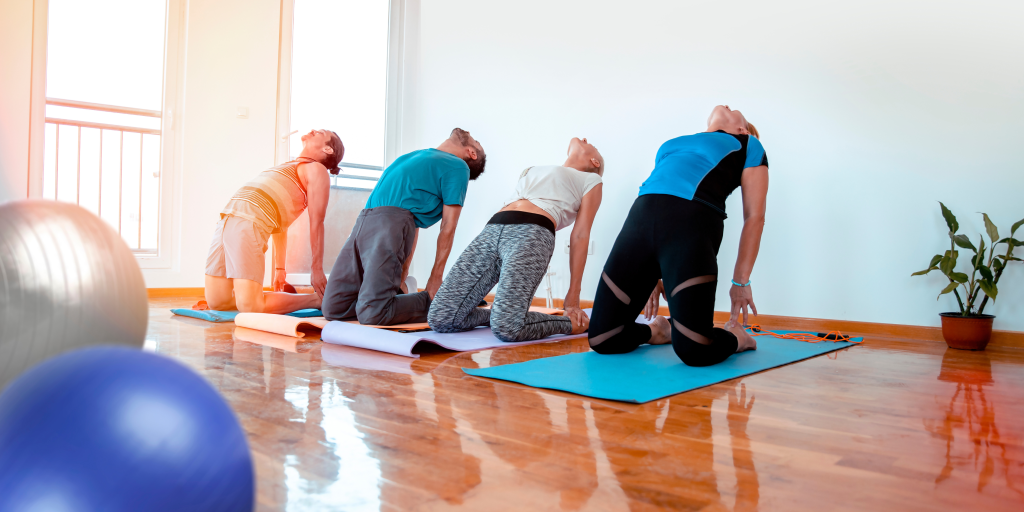
We often think of fitness in terms of strength, endurance, or weight control — but mobility is the hidden foundation that allows us to move freely, avoid injury, and enjoy life without aches or stiffness.
In midlife, mobility naturally declines due to changes in muscle elasticity, joint health, and activity patterns. Hours spent sitting at desks, in cars, or on the sofa accelerate the process — especially in urban Asian lifestyles.
The good news? With targeted daily habits, you can maintain and even improve mobility well into your 50s, 60s, and beyond.
Why Mobility Matters in Midlife
Mobility is the ability to move your joints through their full range without pain or restriction. It’s not the same as flexibility — which focuses on stretching muscles — but includes joint health, muscle control, and movement coordination.
Poor mobility can lead to:
- Stiffness in the hips, back, and shoulders
- Reduced balance and coordination
- Increased risk of falls or strains
- Difficulty with daily activities like climbing stairs or carrying groceries
The Three Pillars of Mobility
1. Joint Health
Healthy joints are well-lubricated and supported by strong, balanced muscles. Movement is essential to keep synovial fluid circulating.
2. Muscle Length and Elasticity
Stretching and dynamic movement maintain the ability of muscles to lengthen without tearing.
3. Neuromuscular Control
Your brain and muscles must coordinate effectively to produce smooth, pain-free movements.
Midlife Mobility Essentials
1. Daily Movement Snacks
Every hour, stand up, stretch, or walk for 1–2 minutes to prevent stiffness from prolonged sitting.
2. Hip Openers
Tight hips can contribute to back pain and reduced stride length.
Examples: Seated figure-four stretch, low lunge with gentle hip tilt.
3. Shoulder Mobility Drills
Desk work often rounds the shoulders and stiffens the upper back.
Examples: Wall angels, band pull-aparts, doorway chest stretch.
4. Spinal Mobility
Keeping the spine moving in all directions is crucial for posture.
Examples: Cat-cow stretch, seated spinal rotations.
5. Ankle Mobility
Good ankle range supports balance and walking efficiency.
Examples: Calf stretch, ankle circles.
Making It Work in Asian Contexts
- Small spaces: Most mobility work needs no equipment and can be done in a few square feet.
- Climate: In hot, humid areas, morning or evening mobility routines may feel more comfortable.
- Cultural activities: Incorporating yoga, tai chi, or martial arts forms can enhance balance and joint range while connecting to cultural traditions.
The 10-Minute Midlife Mobility Routine
- Cat-cow stretch – 1 minute
- Seated spinal twist – 30 seconds each side
- Wall angels – 8–10 reps
- Low lunge hip opener – 30 seconds each side
- Standing calf stretch – 30 seconds each side
- Ankle circles – 10 each way per foot
Repeat daily or as a warm-up before strength or cardio training.
Final Thoughts
Mobility is the quiet enabler of everything else in fitness. Without it, even strong muscles can’t move effectively, and cardio fitness can’t be fully expressed.
In midlife, investing a few minutes a day in joint health and movement quality is one of the simplest ways to ensure you remain active, independent, and pain-free in the years to come.
Attribution:
This article draws on mobility principles from Dr. Kelly Starrett’s movement research and physiotherapy best practices, adapted for midlife adults in Asia.